



Platinum Coin Education
Platinum Coins Buying Guide
Learn how to compare platinum bullion coins, fractional sizes, proof finishes, premiums, and professionally graded examples.
Platinum coins are government-issued coins containing platinum, a precious metal with the chemical symbol Pt and atomic number 78. Many modern bullion issues contain .9995 fine platinum, or 99.95% purity.
Buyers often choose platinum coins for their precious metal content, government-mint recognition, and distinctive designs. Some issues also attract numismatic premiums based on date, mintage, finish, condition, and collector demand.
Government-Minted Platinum
Popular Platinum Coins to Collect and Buy
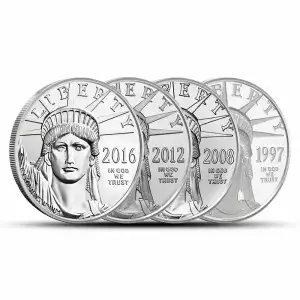
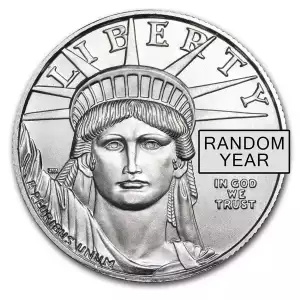
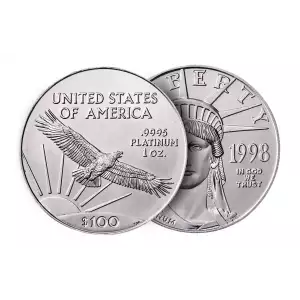
American Platinum Eagle
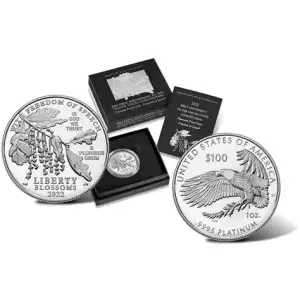
Introduced in 1997, the American Platinum Eagle is the United States' official platinum bullion coin. Its obverse features the Statue of Liberty.
The series includes 1 oz, 1/2 oz, 1/4 oz, and 1/10 oz denominations. Collectors also pursue proof coins and professionally certified examples.
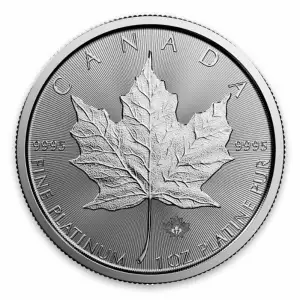
Canadian Platinum Maple Leaf
Introduced in 1988, the Platinum Maple Leaf is a recognized Canadian bullion series. Standard one-ounce issues contain .9995 fine platinum.
Historical fractional issues are also collected. Buyers should verify the specifications of each date.
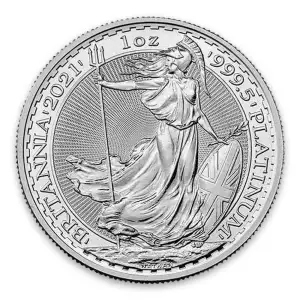
British Platinum Britannia
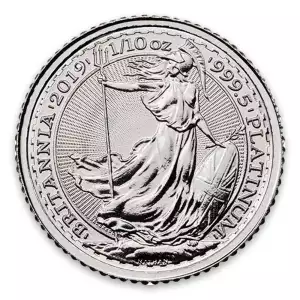
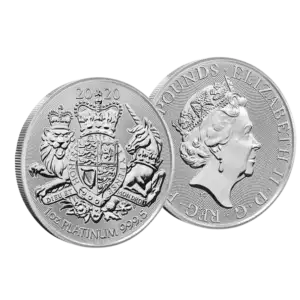
The Royal Mint introduced platinum bullion Britannias in 2018. These coins feature Britannia, the symbolic personification of Britain.
Modern bullion examples are produced in .9995 fine platinum, with one-ounce and selected fractional formats.
Australian Platinum Koala
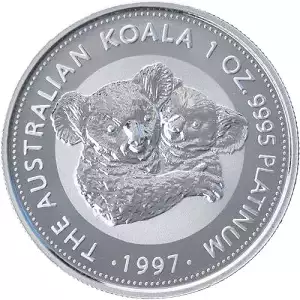
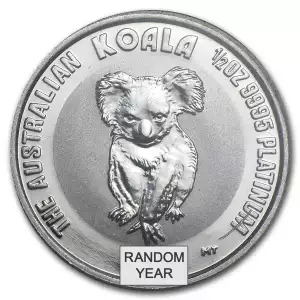
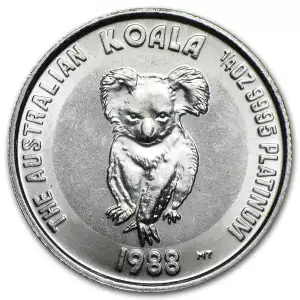
Australian Platinum Koalas are a recognized historic platinum bullion series from the Perth Mint, introduced in 1988.
Their wildlife designs and various historical denominations attract bullion buyers and collectors.
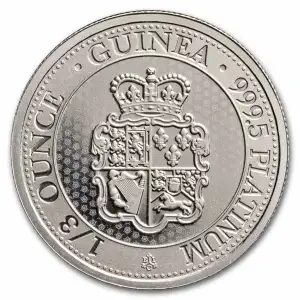
St. Helena Platinum Coins
Selected St. Helena platinum issues, including Rose Crown Guinea designs, offer another option for collectors interested in world bullion coinage.
Weights, designs, and issue specifications vary.
Specialty Platinum Coins
Collectors may also encounter platinum coins from other issuing authorities, commemorative programs, and limited-production series.
Research authenticity, actual platinum content, production history, and demand before purchasing.
Coin Specifications
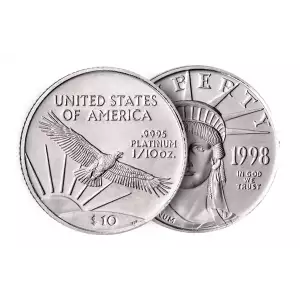
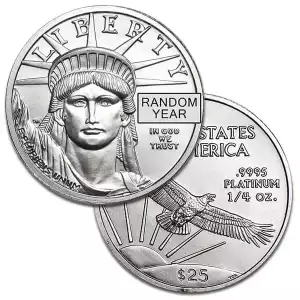
American Platinum Eagle Sizes and Denominations
American Platinum Eagles were issued in four bullion sizes. Their legal-tender face values are not the same as their precious metal values.
| Coin Size | Face Value | Fine Platinum |
|---|---|---|
| 1/10 oz | $10 | 0.10 troy oz |
| 1/4 oz | $25 | 0.25 troy oz |
| 1/2 oz | $50 | 0.50 troy oz |
| 1 oz | $100 | 1.00 troy oz |
Are Fractional Platinum Eagles Worth Buying?
Fractional coins provide access to smaller amounts of platinum. However, their premiums per fine troy ounce are often higher than those of one-ounce bullion coins.
Compare total cost per fine troy ounce and consider resale demand for the denomination you choose.
Precious Metal Specifications
Platinum Coin Purity, Weight and Metal Content
Many modern platinum bullion coins are made from .9995 fine platinum, meaning they contain 99.95% platinum by weight.
One troy ounce equals approximately 31.1035 grams. When comparing coins, confirm the actual fine platinum content rather than relying only on total coin weight.
.9995 Fine
Indicates 99.95% platinum by weight.
Troy Ounces
Precious metals are commonly priced by fine troy ounce.
Mint & Denomination
Issuer, date, design, and markings help identify the product.
Bullion Market Education
Platinum Coin Prices, Spot Value and Premiums
The platinum spot price is a market reference commonly quoted in U.S. dollars per troy ounce. Physical platinum coins typically sell above the value of their contained metal.
How to Calculate Platinum Coin Metal Value
Fine Platinum Ounces × Platinum Spot Price = Approximate Metal Value
Retail Premium = Purchase Price − Approximate Metal Value
The calculation excludes any additional transaction costs. Collectible coins may command premiums unrelated to metal content.
What Affects Platinum Coin Premiums?
Premiums vary according to coin size, issuing mint, date, finish, manufacturing costs, retail supply, and collector demand. Smaller fractional coins and selected proof issues may carry higher premiums.
What Is the Difference Between a Platinum Coin's Price and Melt Value?
Melt value is an estimate of the contained platinum's market value. The actual selling price may be higher because of retail premiums, rarity, condition, and demand. Dealer buyback prices may differ from both figures.
Numismatic Collecting
Bullion, Proof and Certified Platinum Coins
Uncirculated Platinum Coins
Bullion issues are generally purchased primarily for their precious metal content. Date, condition, and availability may still affect pricing.
Proof Platinum Coins
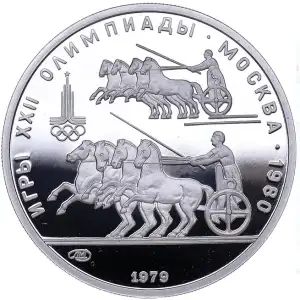
Proof coins are manufactured using specialized minting processes that produce distinctive surface finishes. Some have limited mintages.
Certified Platinum Coins
Grading services evaluate authenticity and condition. Certified examples may carry additional premiums based on grade and demand.
Understanding MS-69, MS-70, PR-69 and PR-70
On the 70-point Sheldon grading scale, MS refers to Mint State coins and PR or PF commonly refers to proof coins. A numerical grade of 70 represents the highest grade on that scale, subject to the grading service's standards.
Certification by services such as PCGS, NGC, ANACS, or ICG may help buyers identify a coin's grade and authentication status. Grading does not guarantee future appreciation or resale value.
Platinum Market Considerations
Are Platinum Coins a Good Investment?
Platinum coins provide direct ownership of a precious metal with significant industrial applications. Platinum is used in automotive emissions-control systems, chemical processing, jewelry, and other industries.
Its market price is influenced by mining supply, recycling, industrial demand, investment activity, and broader economic conditions. Platinum prices can fluctuate substantially.
Buyers should consider premiums, storage, dealer spreads, resale liquidity, and the possibility of financial loss. Physical platinum coins do not guarantee appreciation.
Platinum Coins vs. Platinum Bars
Platinum coins are generally government-issued and may have legal-tender denominations and collectible appeal. Platinum bars are typically produced by private refiners and emphasize standardized metal content.
Explore our Platinum Bars category to compare physical platinum formats.
Buyer Checklist
How to Buy Platinum Coins Online
Choose the Coin Series
Compare American Eagles, Maple Leafs, Britannias, and world issues.
Select the Weight
Review one-ounce and fractional platinum coin options.
Verify Purity
Confirm the fine platinum content and coin specifications.
Compare Premiums
Calculate the total price relative to the coin's metal value.
Review Condition
Examine date, surfaces, packaging, and certification where relevant.
Consider Resale
Research dealer demand and potential buyback spreads.
Confirm Availability
Review current inventory and the individual product listing.
Plan Storage
Protect your coins and retain purchase documentation.
Clearwater, Florida | Nationwide Online Sales
Buy and Sell Platinum Coins at IDC Coin & Bullion
IDC Coin & Bullion, a division of International Diamond Center, serves precious metal buyers and numismatic collectors throughout the United States.
Headquartered in Clearwater, Florida, IDC operates 11 retail locations across Florida and Georgia, including locations serving Clearwater, Tampa, Sarasota, Orlando, Altamonte Springs, Lakeland, Gainesville, Naples, Port St. Lucie, and Savannah.
Customers searching for a platinum coin dealer in Clearwater, Tampa Bay, or surrounding Florida communities can browse available coins online and contact a nearby IDC location for information about in-store services.
IDC also evaluates various precious metals and collectible coins. If you are considering selling American Platinum Eagles, Canadian Platinum Maple Leafs, or other platinum coins, contact IDC to inquire about current buying terms.
Frequently Asked Questions
Platinum Coins FAQs
What are platinum bullion coins?
Platinum bullion coins are government-issued coins containing platinum, generally purchased primarily for their precious metal content.
What are the most popular platinum coins?
Recognizable examples include American Platinum Eagles, Canadian Platinum Maple Leafs, British Platinum Britannias, and Australian Platinum Koalas.
How much platinum is in an American Platinum Eagle?
American Platinum Eagles were issued in 1 oz, 1/2 oz, 1/4 oz, and 1/10 oz denominations. Each contains its stated weight in fine platinum.
What purity are platinum coins?
Many modern platinum bullion coins contain .9995 fine platinum, equivalent to 99.95% purity. Verify the specifications of the particular issue.
Are fractional platinum coins worth buying?
Fractional coins allow smaller purchases but often carry higher premiums per fine troy ounce than one-ounce coins. Compare total cost and resale considerations.
What is the difference between bullion and proof platinum coins?
Bullion coins are generally produced for precious metal buyers, while proof coins use specialized minting processes and often appeal to collectors.
What does MS-70 mean on a platinum coin?
MS-70 is the highest numerical Mint State grade on the 70-point Sheldon scale, according to the grading service's standards.
Are platinum coins legal tender?
Many government-issued platinum bullion coins have legal-tender status and a stated face value, although their precious metal value is generally much higher.
Are platinum coins IRA eligible?
Certain qualifying platinum bullion coins may be eligible for precious metals IRAs when applicable product, custody, and legal requirements are met. Confirm eligibility with a qualified custodian.
Can I sell platinum coins to IDC Coin & Bullion?
IDC evaluates various precious metal and collectible coins. Visit the Sell to Us page to inquire about current buying terms.
