Platinum Fundamentals
What Is Platinum Bullion?
Platinum bullion is physical platinum manufactured in standardized precious metal products, primarily coins and bars, and valued largely for its fine platinum content.
Platinum is a naturally occurring silver-white precious metal with the chemical symbol Pt and atomic number 78.
It belongs to the platinum-group metals, which also include palladium, rhodium, ruthenium, iridium, and osmium.
Platinum is valued for its resistance to corrosion, high melting point, and catalytic properties. Its applications include automotive emissions systems, industrial processes, jewelry, and specialized manufacturing.
Direct Ownership
Platinum coins and bars provide physical ownership of a precious metal with identifiable weight and purity.
Commercial Applications
Platinum is used in automotive catalysts, chemical processing, hydrogen technologies, and other industrial applications.
Recognized Products
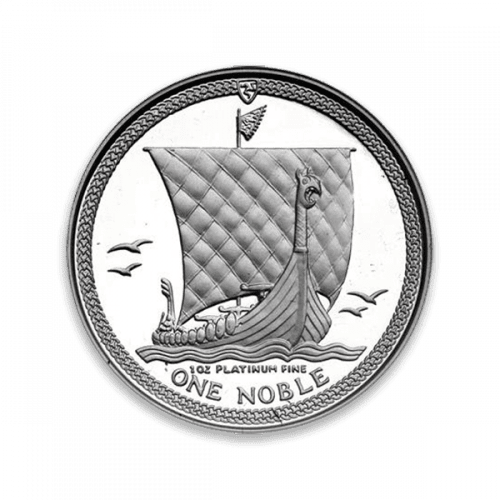
Government-issued platinum coins and refined platinum bars are traded internationally.
Government-Issued Bullion
Buy Platinum Bullion Coins
Government-issued platinum bullion coins combine precious metal content with recognizable designs, official denominations, and potential collector appeal.
American Platinum Eagle
First issued in 1997, the American Platinum Eagle is the United States Mint's platinum bullion coin series.
Standard bullion issues contain .9995 fine platinum. The one-ounce coin carries a $100 face value.
Canadian Platinum Maple Leaf
Canadian Platinum Maple Leafs are produced by the Royal Canadian Mint and feature the familiar maple leaf design.
Modern issues are typically struck in .9995 fine platinum.
British Platinum Britannia
Platinum Britannias feature the iconic figure of Britannia and are issued by The Royal Mint.
Modern platinum Britannias are struck in .9995 fine platinum, with weights varying by issue.
Australian Platinum Kangaroo
Australian Platinum Kangaroos are produced by the Perth Mint and feature Australian wildlife designs.
The one-ounce bullion version contains .9995 fine platinum.
Refined Precious Metals
Buy Platinum Bars
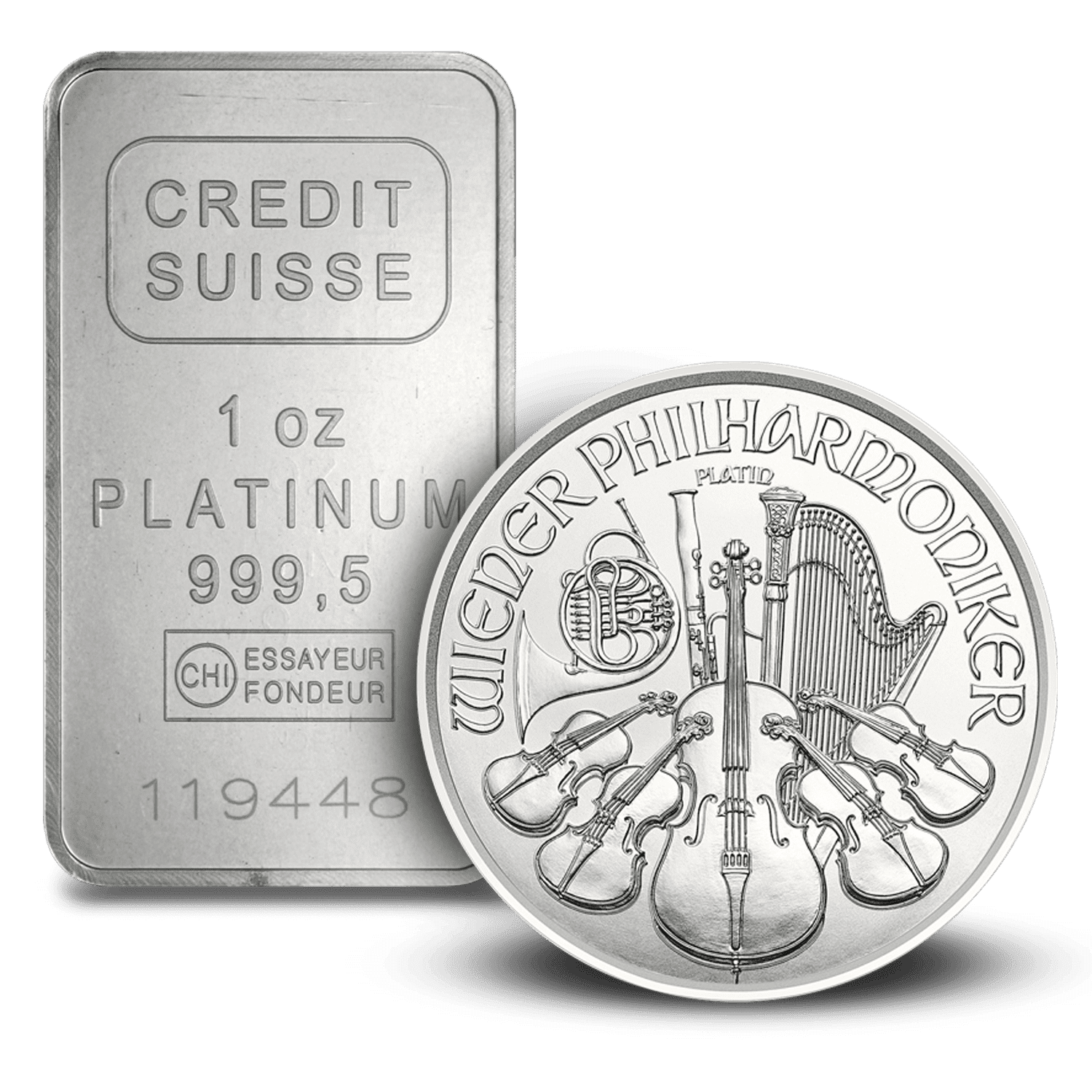
Platinum bars are manufactured by recognized precious metal refiners and are generally purchased primarily for their fine platinum content.
1 oz Platinum Bars
One-troy-ounce platinum bars are a familiar physical bullion format. One troy ounce equals approximately 31.1035 grams.
Many modern investment bars are marked .9995 fine platinum.
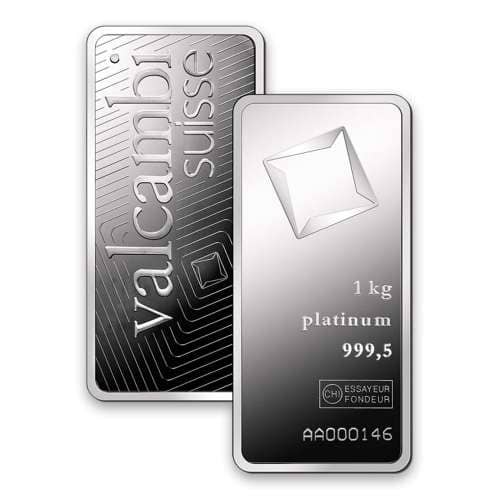
Valcambi Platinum Bars
Valcambi produces recognized precious metal bullion products, including platinum bars in standardized weights.
Product specifications and packaging vary by issue.
PAMP Suisse Platinum Bars
PAMP Suisse is known for precious metal bullion bars, including platinum products with distinctive designs and refinery markings.
Some products are packaged with assay certification.
Compare Bullion Products
Platinum Coins vs. Platinum Bars
| Feature | Platinum Coins | Platinum Bars |
|---|---|---|
| Producer | Government mints | Private refiners and mints |
| Primary Focus | Metal content and coin design | Metal content and refinery |
| Purity | Frequently .9995 fine | Frequently .9995 fine |
| Collectibility | Varies by date, finish, and mintage | Possible for vintage or unusual bars |
| Premiums | May reflect government-mint recognition | Often tied to fabrication and availability |
| Resale | Depends on recognition and demand | Depends on refiner and market demand |
Neither format is universally better. Compare the total purchase price, fine platinum content, product recognition, and potential resale liquidity.
Bullion Specifications
Understanding Platinum Purity & Weight
Platinum bullion is commonly described using troy ounces, grams, and metal fineness. Fineness indicates the proportion of pure platinum in a product.
| Specification | Meaning |
|---|---|
| .9995 Fine | 99.95% platinum by weight |
| .999 Fine | 99.9% platinum by weight |
| 1 Troy Ounce | Approximately 31.1035 grams |
| Fine Metal Weight | Actual amount of pure platinum contained in the product |
When evaluating platinum bullion, confirm whether the listed weight refers to total product weight or fine platinum content. Review the individual mint or refinery specifications.
Precious Metals Pricing
What Determines the Price of Platinum Bullion?
Platinum bullion prices reflect the underlying platinum market and the premium charged for a particular physical product.
Platinum Spot Price
The platinum spot price is commonly quoted in U.S. dollars per troy ounce and fluctuates with international market conditions.
Physical Platinum Premium
Retail platinum products generally sell above their underlying metal value because of fabrication, distribution, inventory, dealer costs, and demand.
How to Calculate a Platinum Premium
Premium = Purchase Price − Spot Value of Fine Platinum
For meaningful comparisons, calculate premiums using the actual fine platinum content and include applicable transaction costs.
Why Do Platinum Prices Fluctuate?
Platinum prices can be influenced by automotive demand, industrial production, mining output, recycling supply, investor activity, currency movements, and geopolitical developments.
Global platinum mine production is geographically concentrated, particularly in South Africa. Changes in production, energy availability, labor conditions, and industrial demand can affect platinum supply and pricing.
Industrial Demand
What Is Platinum Used For?
Catalytic Converters
Platinum is used in automotive emissions-control systems, helping convert certain harmful exhaust gases into less harmful substances.
Platinum Jewelry
Platinum is valued in fine jewelry for its appearance, density, durability, and resistance to corrosion.
Hydrogen & Fuel Cells
Platinum is used as a catalyst in certain hydrogen production technologies and fuel-cell systems.
Other applications include petroleum refining, chemical manufacturing, glass production, electronics, and medical devices.
Platinum-Group Metals
Platinum vs. Palladium
Platinum and palladium belong to the same precious metal family, but they differ in density, industrial applications, supply, and price behavior.
Platinum
Platinum is a dense, corrosion-resistant metal used in automotive catalysts, jewelry, industrial processing, and certain hydrogen technologies.
Palladium
Palladium is less dense than platinum and is particularly associated with automotive catalytic converter applications.
The price relationship between platinum and palladium changes over time. Neither metal is consistently more expensive.
Investment Considerations
Is Platinum Bullion a Good Investment?
Platinum bullion provides physical exposure to a precious metal with industrial, jewelry, and investment demand.
Some buyers purchase platinum to diversify their precious metals holdings beyond gold and silver.
However, platinum prices can be volatile. Buyers should consider spot-price movements, product premiums, dealer bid-ask spreads, storage costs, liquidity, and the possibility of losses.
Buyer Checklist
How to Buy Platinum Bullion
Before purchasing platinum coins or bars, review the following factors.
Identify the Product
Determine whether the item is a government-issued platinum coin or a privately refined bar.
Verify Authenticity
Confirm the mint, refinery, and product specifications.
Confirm Weight & Purity
Review the product's fine platinum content.
Compare Premiums
Evaluate the asking price against the spot value of the contained platinum.
Review Condition
Examine packaging, surfaces, and certification when applicable.
Consider Resale
Research product recognition, dealer demand, and potential buyback spreads.
Check Availability
Confirm that the product is currently available for purchase.
Plan Storage
Arrange secure storage and retain relevant purchase documentation.
Bullion Preservation
Storing Physical Platinum
Store platinum coins and bars securely in a clean, dry environment with stable temperature and humidity.
Avoid unnecessary handling, abrasion, and exposure to damaging chemicals.
Retain original packaging, assay documentation, and purchase records when available.
IDC Coin & Bullion
Buy or Sell Platinum Bullion with IDC
IDC Coin & Bullion is part of International Diamond Center, serving precious metals buyers and collectors throughout the United States.
Headquartered in Clearwater, Florida, International Diamond Center operates 11 retail locations throughout Florida and Georgia.
Our retail network serves customers in Clearwater, Tampa, Sarasota, Orlando, Altamonte Springs, Lakeland, Gainesville, Naples, Port St. Lucie, and Savannah.
Customers interested in purchasing or selling platinum bullion locally should contact their preferred location before visiting to confirm product availability and services.
Frequently Asked Questions
Platinum Bullion FAQs
What is platinum bullion?
Platinum bullion is physical platinum manufactured in standardized precious metal products, most commonly coins and bars, valued primarily for their platinum content.
Is platinum a precious metal?
Yes. Platinum is a naturally occurring precious metal in the platinum group. It is valued for industrial applications, jewelry production, and physical bullion.
How pure is platinum bullion?
Many modern platinum bullion coins and bars are manufactured in .9995 fine platinum, representing 99.95% purity. Specifications vary by product.
What is an American Platinum Eagle?
The American Platinum Eagle is a United States Mint bullion coin introduced in 1997. Standard bullion issues contain .9995 fine platinum. The one-ounce version carries a $100 face value.
Does the Canadian Mint produce platinum coins?
Yes. The Royal Canadian Mint produces Canadian Platinum Maple Leaf bullion coins.
Are platinum coins better than platinum bars?
Neither is universally better. Coins may offer government-mint recognition and collectible appeal, while bars emphasize standardized metal content and refinery recognition.
What is the difference between platinum and palladium?
Both are platinum-group metals, but they differ in density, industrial demand, supply, and price behavior. Platinum is denser than palladium.
Why does platinum bullion cost more than spot price?
Physical platinum products generally include premiums reflecting manufacturing, distribution, dealer costs, availability, and market demand.
Can platinum bullion lose value?
Yes. Platinum prices fluctuate, and physical bullion transactions involve premiums and dealer spreads. Profit is not guaranteed.
Can I sell platinum bullion to IDC Coin & Bullion?
IDC Coin & Bullion purchases various qualifying precious metal products. Visit our Sell to Us page to inquire about platinum evaluations and current buying terms.