


What Is Vintage Gold Bullion?
Vintage gold bullion generally refers to older gold bars and other gold products associated with historic refiners, discontinued designs, earlier manufacturing methods, or recognizable collecting periods.
Unlike standard modern bullion, some vintage gold bars attract interest from collectors seeking particular manufacturers, hallmarks, production varieties, and surviving examples.
Vintage bullion can have two distinct sources of value: the intrinsic value of its gold content and a possible collector premium. That additional premium depends on actual market demand and is not guaranteed.
IDC Coin & Bullion offers selected vintage gold products, subject to inventory availability.
Explore Vintage Gold Bars at IDC
IDC's vintage gold category includes distinctive products associated with historic bullion manufacturers. Current examples include:
Engelhard Gold Bars
Vintage Engelhard bullion, including a two-ounce Engelhard Industries Canada bar with Scotiabank Maple design elements.
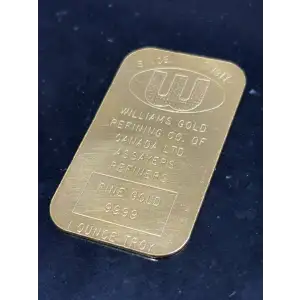
Williams Refining Gold Bars
Older gold bars bearing Williams Refining branding, including a one-troy-ounce example in IDC's catalog.
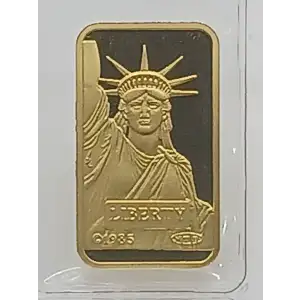
MTB Vintage Gold Bars
Historic bullion associated with MTB branding, including a 1985 Liberty-design 20-gram gold bar listed with sealed packaging.
Historic Gold Refiners & Collectible Bullion Brands
Vintage gold collecting often centers on the manufacturer rather than the metal alone. Refiners can have distinctive logos, hallmark styles, serial-number formats, and production histories.
Engelhard Gold Bullion
Engelhard is a well-known name among collectors of vintage precious metals. Older Engelhard gold and silver bars may be collected by size, logo, production style, and design.
An Engelhard hallmark does not automatically make a bar rare. Premiums depend on the exact issue, its condition, and comparable market transactions.
Williams Refining Gold Bullion
Williams Refining-branded bars represent another area of interest for collectors of older private-mint and refiner bullion.
Collectors may evaluate the bar's stamped information, weight, finish, and any documented manufacturing history.
MTB Gold Bars
MTB-branded vintage bullion can be of interest because of its period designs, branding, and original packaging.
When evaluating an older MTB bar, examine the precise product identification, stated fineness, serial number, and packaging condition.
Why Do Some Vintage Gold Bars Sell Above Melt Value?
The gold content establishes a reference point for bullion valuation, but certain vintage bars may trade above their intrinsic metal value.
Manufacturer & Design
Some collectors prefer specific refiners, historical logos, or discontinued bar designs.
Scarcity & Demand
Surviving supply and active collector demand can affect premiums. Scarcity alone does not establish a higher price.
Condition & Provenance
Original surfaces, packaging, documented history, and condition can influence desirability.
A vintage bar's premium can increase or decrease independently of the gold spot price. Buyers should distinguish a collectible purchase from a low-premium bullion purchase.
Vintage Gold Bars vs. Modern Gold Bars
| Feature | Vintage Gold Bars | Modern Gold Bars |
|---|---|---|
| Primary Appeal | Gold content plus potential collector interest | Gold content, brand, and current bullion demand |
| Manufacturer | May be historic or no longer producing that design | Current refiner or mint |
| Packaging | Original, altered, or absent | May include modern assay packaging |
| Premium | May include a collectible component | Usually reflects bullion market factors |
| Authentication | May require issue-specific research | Often supported by published modern specifications |
| Resale Considerations | Collector demand may affect achievable premium | Often evaluated primarily as bullion |
For buyers primarily interested in standard bullion formats, explore all gold bars or all gold bullion .
How to Calculate the Gold Value of a Vintage Bar
A vintage gold bar's underlying metal value depends on its weight, fineness, and current gold spot price.
One troy ounce equals approximately 31.1035 grams. When a bar's weight is stated in grams, divide the fine gold weight by 31.1035 to convert it into troy ounces.
For example, a bar weighing 20 grams with .9999 fineness contains approximately 19.998 grams of fine gold, equivalent to about 0.643 troy ounces.
A collectible premium, if any, is evaluated separately. The price a dealer offers when buying a bar may differ from its retail asking price.
How to Authenticate Vintage Gold Bars
Authenticating historic gold bullion requires careful evaluation because older bars may differ from modern products in dimensions, finishes, markings, and packaging.
Weight & Dimensions
Compare measured weight and dimensions with documented examples of the same bar issue.
Hallmarks & Serial Numbers
Examine logos, lettering, stamps, serial numbers, and manufacturing details.
Professional Metal Testing
Appropriate testing can help evaluate metal composition and identify suspicious products.
No single visual or basic physical test guarantees authenticity. Some counterfeit bars imitate historic manufacturer marks and original packaging.
When significant collector premiums are involved, product-specific research and professional evaluation are particularly important.
Does Condition Matter for Vintage Gold Bars?
Yes. Surface condition, original finish, stamping quality, and packaging can influence the appeal of collectible bullion.
Scratches, dents, abrasions, altered surfaces, and damaged packaging may affect a bar's desirability. However, age-related characteristics are not necessarily defects.
Avoid polishing or attempting to restore vintage gold bars without appropriate professional advice. Altering an original surface may reduce collector interest.
Keep purchase documentation and any credible provenance associated with a historic bar.
Vintage Gold Coins vs. Vintage Gold Bars
Vintage gold coins and bars occupy related but distinct collecting markets.
Historic gold coins may be valued according to date, mintmark, grade, rarity, and numismatic demand. Vintage gold bars are often evaluated by refiner, hallmark variety, manufacturing period, condition, and collector demand.
If you're interested in historic U.S. gold coins, including pre-1933 issues, explore IDC's IDC Verified Pre-1933 Gold category.
The vintage gold inventory displayed on this page currently consists of gold bars. Product availability may change.
Buy & Sell Vintage Gold in Clearwater, Florida
IDC Coin & Bullion, a division of International Diamond Center, is headquartered in Clearwater, Florida.
IDC operates 11 retail locations across Florida and Georgia, serving customers interested in gold, silver, coins, bullion, and collectibles.
Customers in Clearwater, Tampa, St. Petersburg, and surrounding Tampa Bay communities can contact IDC about buying and selling vintage gold bullion and numismatic items.
IDC's online store also serves precious metals customers throughout the United States, subject to applicable ordering and shipping terms.
Have Engelhard, Johnson Matthey, Williams Refining, Credit Suisse, or other vintage gold bars to sell? IDC evaluates a variety of precious metal products.
Visit What Do We Buy? or explore IDC retail locations . Contact the team about your specific items.
Vintage Gold Bars & Coins: Frequently Asked Questions
What is a vintage gold bar?
A vintage gold bar is an older bullion product, often associated with historic refiners, discontinued designs, or collectible manufacturing periods.
Are vintage gold bars worth more than modern gold bars?
Some vintage bars command collector premiums, but others trade primarily for their gold content. Value depends on the exact product and market demand.
Are Engelhard gold bars collectible?
Certain Engelhard gold bars attract collector interest because of their designs, historic branding, and availability. Premiums vary by issue.
What makes a vintage gold bar rare?
Rarity can depend on original production, surviving examples, specific hallmark varieties, and documented availability. Rarity does not automatically guarantee a premium.
How do I know if a vintage gold bar is genuine?
Authentication may involve comparing weight, dimensions, hallmarks, serial numbers, and metal composition with reliable reference information.
Does a vintage gold bar need an assay card?
No. Genuine older gold bars may exist without original assay packaging. Authentication remains important.
What is the difference between melt value and collector value?
Melt value reflects the underlying fine gold content at a given spot price. Collector value may include an additional premium for rarity, design, or demand.
Should I clean a vintage gold bar?
Cleaning or polishing can change original surfaces and may reduce collector appeal. Avoid altering a collectible bar without expert guidance.
Are vintage gold bars a guaranteed investment?
No. Gold prices fluctuate, and collectible premiums can change over time. Transaction spreads also affect resale returns.
Does IDC buy vintage gold bars?
IDC evaluates a variety of precious metal products, including gold bullion. Contact the team to discuss specific vintage bars.
Where can I buy vintage gold bars online?
IDC Coin & Bullion offers selected vintage gold bullion products through its ecommerce website, subject to current inventory.
Explore More Gold Bullion & Collectibles
Shop Vintage Gold Bullion at IDC Coin & Bullion
Explore collectible gold bars from historic refiners, compare current inventory, and discover precious metals with potential collector appeal. Contact IDC about buying or selling vintage gold.
