
What Is Bullion?
Bullion refers to physical precious metals held or traded primarily for their metal content. Common bullion products include coins, bars, and rounds made from gold, silver, platinum, and palladium.
Bullion products are generally identified by their metal, weight, purity, and manufacturer. Some also carry collectible premiums based on their designs, age, condition, or scarcity.
Unlike stocks or precious metal funds, physical bullion represents ownership of a tangible metal product. However, bullion prices fluctuate, and ownership involves considerations such as storage, security, premiums, and resale liquidity.
At IDC Coin & Bullion, buyers can explore precious metals from government mints, private refiners, and specialty manufacturers.
Explore Gold, Silver, Platinum, Palladium & Copper Bullion
Gold Bullion
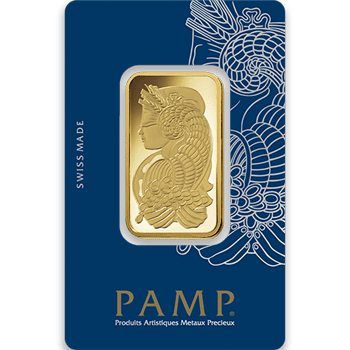
Explore American Gold Eagles, Gold Buffalos, Canadian Maple Leafs, Krugerrands, gold bars, and fractional gold products.
Shop Gold Bullion →Silver Bullion
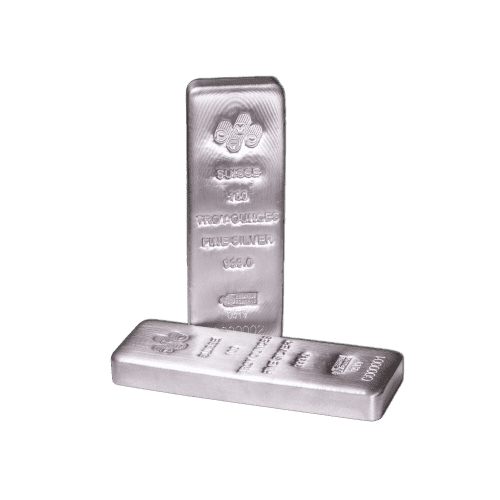
Shop American Silver Eagles, Canadian Silver Maple Leafs, silver rounds, bars, vintage bullion, and collectible designs.
Shop Silver Bullion →Platinum Bullion
Discover platinum coins and bars, including American Platinum Eagles, world bullion, and recognized refiner products.
Shop Platinum Bullion →Palladium Bullion
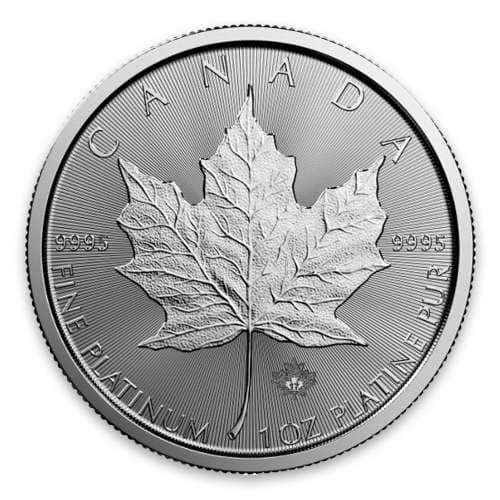
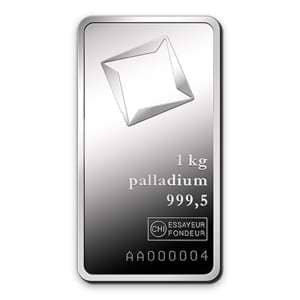
Explore palladium coins and bars, including Canadian Maple Leafs, specialty world coins, and refinery products.
Shop Palladium Bullion →Copper Bullion
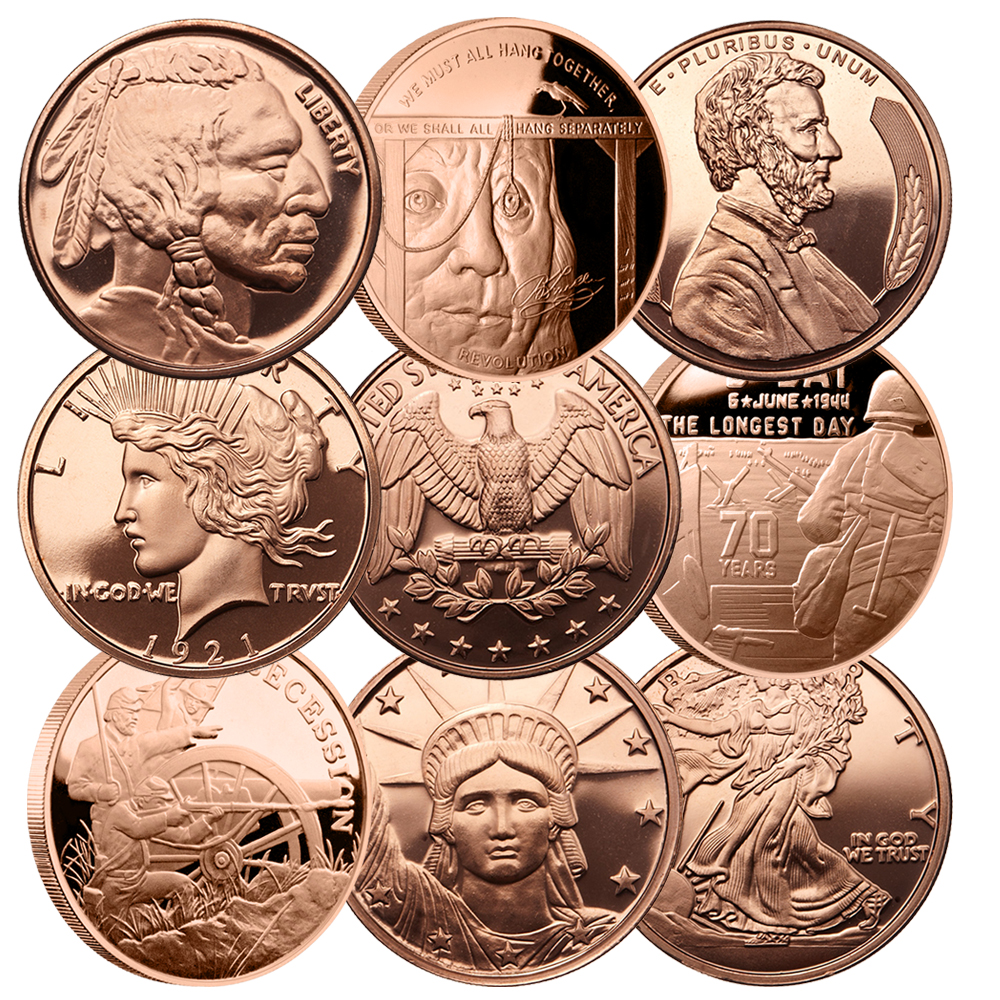
Browse copper rounds, bars, and collectible designs. Copper bullion often carries substantial fabrication premiums.
Browse Copper in the Categories Above →Bullion Deals
Explore the dedicated deals category for selected bullion products. Compare current prices and product specifications.
Browse Bullion Deals Above →Bullion Coins vs. Bars vs. Rounds
Understanding bullion formats helps buyers compare recognition, premiums, available weights, and potential resale options.
| Product | Description | Typical Considerations |
|---|---|---|
| Bullion Coins | Official coins issued by government authorities, usually with a legal-tender denomination. | Mint recognition, coin design, metal content, and possible collectible premiums. |
| Bullion Bars | Precious metal products manufactured by government or private refiners. | Weight, purity, refiner, assay packaging, and premium per ounce. |
| Bullion Rounds | Coin-shaped metal pieces generally issued without legal-tender status. | Metal content, manufacturer, design, and fabrication premium. |
None of these formats is universally the best purchase. The choice depends on the individual product and the buyer's priorities.
Understanding Bullion Weights & Purity
Precious metals are commonly priced and traded by the troy ounce. One troy ounce equals approximately 31.1035 grams.
| Weight | Grams | Common Products |
|---|---|---|
| 1 gram | 1.0000 g | Small gold and platinum bars |
| 1/10 troy oz | 3.1103 g | Fractional bullion coins |
| 1/4 troy oz | 7.7759 g | Fractional bullion coins |
| 1/2 troy oz | 15.5517 g | Fractional bullion coins |
| 1 troy oz | 31.1035 g | Standard bullion coins, bars, rounds |
| 10 troy oz | 311.035 g | Larger silver and gold bars |
What Does Bullion Fineness Mean?
Fineness describes the proportion of a product's mass made up of the stated precious metal.
| Marking | Purity | Example |
|---|---|---|
| .9999 | 99.99% | Modern Gold Buffalos and Gold Maple Leafs |
| .9995 | 99.95% | Many modern platinum and palladium products |
| .999 | 99.9% | American Silver Eagles |
| .9167 | Approximately 91.67% | American Gold Eagles and Krugerrands |
Spot Price, Bullion Premiums & Melt Value
The spot price is a market reference quotation for a precious metal, commonly expressed per troy ounce.
Physical bullion products generally sell above the value of their contained fine metal because of fabrication, minting, distribution, inventory, and dealer costs.
Premiums vary by product type, denomination, brand, market demand, condition, and availability.
Fractional bullion often has higher percentage premiums than full-ounce products. Specialty and vintage bullion may also carry collectible premiums.
Buyers should compare total transaction costs, including applicable taxes, shipping, payment-method pricing, and possible resale spreads.
How to Compare Different Precious Metals
Gold
Widely recognized in monetary history and physical bullion markets. Available in coins, bars, and fractional products.
Silver
Used in bullion, jewelry, electronics, and industrial manufacturing. Available in numerous affordable product formats.
Platinum
A platinum-group precious metal with applications in automotive technology, chemical processing, and jewelry.
Palladium
A platinum-group metal associated with industrial applications, especially automotive emissions control.
Where Does Copper Fit?
Copper is an industrial base metal rather than a conventional precious metal. Physical copper rounds and bars are often purchased for their designs, novelty, or collecting appeal.
Because copper has a relatively low value per unit of weight compared with precious metals, retail copper products may carry significant premiums relative to their raw metal content.
Consider shipping costs and resale options when comparing copper bullion products.
How to Choose Physical Bullion
1. Choose the Metal
Compare gold, silver, platinum, palladium, or copper based on your purchasing goals.
2. Compare Fine Weight
Verify the actual contained metal weight rather than relying only on gross weight.
3. Review Premiums
Compare the retail price against the spot value of the contained metal.
4. Consider Resale
Evaluate manufacturer recognition, product condition, liquidity, and potential bid-ask spreads.
Bullion prices can rise or fall, and no metal guarantees a financial return or protection against losses.
Authenticating Bullion Coins, Bars & Rounds
Authenticity is an important consideration when purchasing physical precious metals.
Weight & Dimensions
Compare each product with the published specifications for its exact issue.
Design & Markings
Review mintmarks, refiner logos, serial numbers, lettering, and applicable security features.
Metal Composition
Appropriate precious metal testing can help evaluate purity and identify inconsistencies.
Professional Evaluation
Experienced examination can be useful for unusual bullion, vintage bars, and collectible coins.
No single basic test guarantees authenticity. Retain assay cards, original packaging, purchase records, and certification information when available.
For selected authenticated and professionally graded products, explore the IDC Verified program .
Storing Physical Gold, Silver & Other Bullion
Physical bullion should be stored securely and protected from unnecessary handling, abrasion, and environmental damage.
Suitable storage methods may include protective capsules, tubes, original assay packaging, safes, or professional storage services.
Keep purchase records and identify each product by metal, weight, manufacturer, and relevant serial or certification information.
Avoid cleaning or polishing collectible bullion coins, which can damage surfaces and reduce numismatic value.
Buy & Sell Bullion in Clearwater, Florida
IDC Coin & Bullion is the precious metals and numismatic division of International Diamond Center, headquartered in Clearwater, Florida.
International Diamond Center operates 11 retail locations across Florida and Georgia.
Customers throughout Clearwater, Tampa, St. Petersburg, Largo, Palm Harbor, and the greater Tampa Bay area can explore IDC's online bullion selection and contact the team about buying or selling precious metals.
IDC's retail network also serves communities including Orlando, Altamonte Springs, Lakeland, Gainesville, Sarasota, Naples, Port St. Lucie, and Savannah, Georgia.
Visit the Clearwater coin and bullion dealer page or explore all IDC retail locations .
Interested in selling bullion? Learn about what IDC buys .
Online inventory and in-store availability may differ. Contact your preferred location to confirm product availability and services.
Frequently Asked Questions About Bullion
What is bullion?
Bullion is physical precious metal purchased primarily for its metal content, commonly in the form of coins, bars, and rounds.
Where can I buy bullion online?
IDC Coin & Bullion offers gold, silver, platinum, palladium, and copper bullion through its online catalog.
What is the difference between bullion and numismatic coins?
Bullion is generally valued primarily for metal content, while numismatic coins may carry additional value based on rarity, condition, and demand.
What is the difference between bullion coins and rounds?
Bullion coins are generally government-issued legal-tender products. Rounds are coin-shaped metal products that typically have no legal-tender status.
Are bullion bars better than coins?
Neither is universally better. Bars may offer different premiums, while government-issued coins may offer familiar designs and recognition.
What is a troy ounce?
A troy ounce is a precious metals weight measurement equal to approximately 31.1035 grams.
What does .999 fine silver mean?
It indicates that the product contains 99.9% silver by weight.
What does .9999 fine gold mean?
It indicates that the product contains approximately 99.99% gold by weight.
What is a bullion premium?
A bullion premium is the amount charged above the underlying spot value of the contained metal.
How do I calculate bullion melt value?
Multiply the product's fine metal weight in troy ounces by the current spot price of that same metal.
Do smaller bullion products cost more per ounce?
Fractional bullion frequently carries higher percentage premiums than larger products, although pricing varies.
Is platinum bullion the same as palladium bullion?
No. Platinum and palladium are distinct precious metals with different physical properties, supply, and industrial demand.
Is copper considered a precious metal?
Copper is generally classified as an industrial base metal, although copper rounds and bars are sold as collectible bullion.
Are bullion coins legal tender?
Many government-issued bullion coins carry legal-tender denominations. Their metal market value may substantially exceed the stated face value.
How should I store bullion?
Store bullion securely, protect surfaces from damage, and retain original packaging and purchase records when available.
Does IDC buy gold and silver bullion?
Yes. IDC purchases qualifying precious metal products. Contact the team about your items and current buying terms.
Can I buy bullion in Clearwater, Florida?
IDC Coin & Bullion is headquartered in Clearwater, Florida. Contact the location to confirm available bullion products and services.
Explore More Bullion & Coin Categories
Shop Precious Metals Bullion at IDC Coin & Bullion
Explore gold, silver, platinum, palladium, and copper bullion from recognized mints, refiners, and manufacturers. Compare coins, bars, rounds, and available bullion deals online.
IDC serves precious metals buyers nationwide, with an established retail network in Florida and Georgia.