Fossils & Shipwrecks
Prehistoric mammoth fossils, maritime artifacts, and treasures connected to historic shipwrecks.
Explore Historical Treasures →
Can't find what you want?
International Diamond Center | Specialty Collectibles
Discover unusual collectibles beyond traditional coins and bullion, from prehistoric fossils and historic shipwreck treasure to Goldback notes, silver sculptures, coin jewelry, and sports memorabilia.
Every collectible has a story. Some preserve evidence of ancient life or centuries-old maritime trade. Others combine precious metals with distinctive artwork, craftsmanship, and modern collecting traditions.
IDC Coin & Bullion, part of International Diamond Center, brings these interests together in our Unique Finds department. Explore the specialty categories below and discover objects selected for their history, materials, design, or collectible appeal.
Whether you're building a collection, researching an unusual artifact, or searching for a distinctive gift, review each listing for details about authenticity, condition, materials, and available provenance.
Prehistoric mammoth fossils, maritime artifacts, and treasures connected to historic shipwrecks.
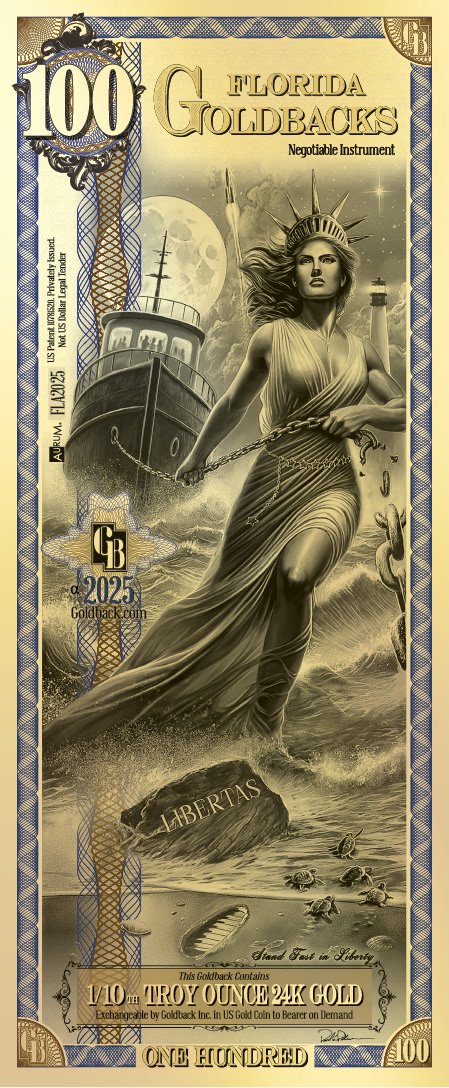
Explore Historical Treasures →Florida and Utah Goldbacks, fractional-gold notes, special editions, and collectible gold-note designs.
Shop Goldback Notes →Unusual silver shapes, artistic pours, themed designs, and specialty precious-metal collectibles.
Explore Silver Oddities →Collectible silver figurines, sculptures, and three-dimensional precious-metal artwork.
Explore Silver Statues →Gold coin pendants, silver coin jewelry, historic coin designs, and wearable numismatic collectibles.
Explore Coin Jewelry →Championship rings, commemorative sports jewelry, and memorabilia with historical or collector interest.
Explore Sports Rings →Inventory changes: Specialty items are often available in limited quantities. Some collecting categories may not have active listings at all times. Browse the current inventory and contact IDC about a specific item before visiting a retail location.
Unique collectibles are objects valued for distinctive characteristics such as historical significance, unusual materials, artistic craftsmanship, natural rarity, or documented provenance.
Unlike conventional bullion products, which are commonly priced according to precious-metal content and market premiums, specialty collectibles may derive value from their individual history, condition, scarcity, and collector demand.
IDC Coin & Bullion's Unique Finds department brings together several collecting specialties, including fossils, shipwreck artifacts, Goldback notes, silver art, coin jewelry, and sports memorabilia.
Each collecting field has different standards for authentication, evaluation, and preservation. Understanding those differences is an important part of buying unusual collectibles.
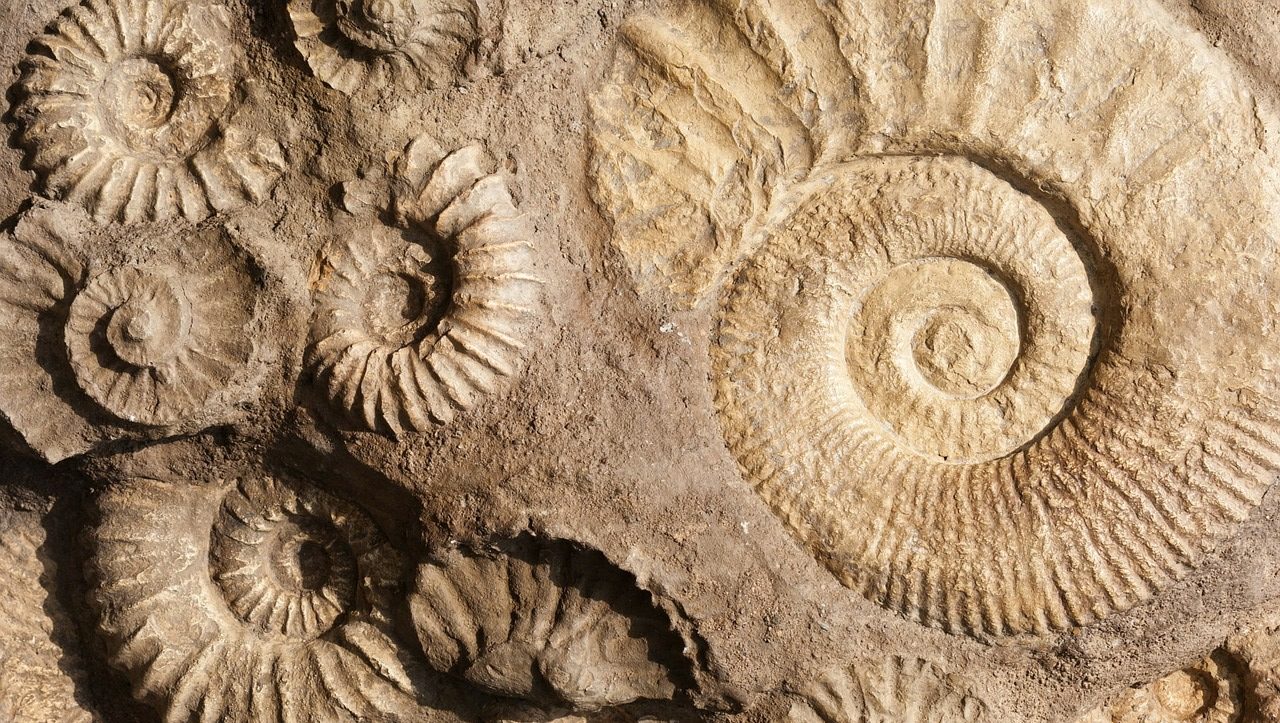
Fossils preserve evidence of ancient organisms and prehistoric environments. They may include teeth, bones, shells, plant material, impressions, and traces of ancient life.
Fossil collecting combines natural history, paleontology, geology, and the appreciation of remarkable physical specimens.
Mammoth teeth and bones are popular prehistoric collectibles. Their distinctive characteristics can help researchers identify extinct species and understand prehistoric environments.
The Columbian mammoth, scientifically known as Mammuthus columbi, inhabited parts of North America during the Pleistocene epoch.
Florida's Peace River region is associated with prehistoric fossil discoveries, including remains of extinct mammals.
The species or type of organism represented by the specimen.
Completeness, visible detail, physical condition, and any restoration.
Documented collection location, geological context, and ownership history.
Rarity, anatomical significance, and relevance to prehistoric research.
Collectors should also confirm that fossils were recovered and transferred in accordance with applicable laws. Collection rules vary by location, land ownership, and specimen type.
Shipwreck collectibles offer a tangible connection to maritime exploration, international trade, and historic voyages.
Recovered artifacts may include gold and silver coins, precious-metal ingots, navigational equipment, ceramics, and other cargo.
One of the most famous shipwrecks associated with Florida is the Spanish galleon Nuestra Señora de Atocha, which sank during a hurricane near the Florida Keys in 1622.
The vessel carried valuable cargo connected with Spanish colonial trade. The discovery of its principal treasure deposit in 1985 brought international attention to the wreck.
Objects attributed to the Atocha can attract collectors interested in Spanish colonial history, maritime archaeology, and historic precious metals.
A shipwreck attribution should be supported by credible evidence, such as recovery documentation, identifying marks, original certificates, and ownership records.
Two visually similar silver ingots may have very different values if one has well-documented historical provenance and the other does not.
Collector consideration: A historical attribution, certificate, or seller description should be evaluated according to the evidence supporting it. Authenticity and lawful ownership should not be assumed from appearance alone.
Goldbacks are privately issued notes containing specified fractional quantities of physical gold.
Their flexible format combines precious-metal content with detailed artwork and state-themed designs.
Goldbacks are not United States dollar legal tender. They may be exchanged voluntarily when the parties agree to accept them.
Florida-themed Goldback notes are of particular interest to collectors throughout Clearwater, Tampa Bay, and the Sunshine State.
Collectors may organize Goldbacks by issuing state, denomination, year, design, and edition.
A standard 1 Goldback denomination contains 1/1000 troy ounce of fine gold.
Different denominations contain proportionally different amounts of gold.
Goldbacks may sell for more than their underlying gold value because of manufacturing, distribution, and collectible premiums.
Decorative gold-foil bills should not automatically be treated as official Goldbacks. Their metal content and manufacturer specifications may differ.
Silver collecting extends far beyond traditional bullion coins, bars, and rounds.
Specialty silver products may feature artistic designs, unusual shapes, hand-poured forms, decorative sculptures, or limited editions.
Unconventional shapes, novelty designs, decorative pours, and unusual silver collectibles.
Three-dimensional silver figurines, sculptures, and artistic display pieces.
Cast or poured silver pieces featuring distinctive textures, finishes, and maker designs.
Specialty products valued for artistic subjects, workmanship, or documented limited production.
Fine silver products may be marked .999 or .9999, while sterling silver generally contains 92.5% silver.
Silver-plated and silver-colored objects should not be confused with solid precious-metal products.
When comparing collectible silver, consider the actual fine silver weight, craftsmanship, manufacturer, condition, and collector demand.
Explore Silver Oddities and Silver Statues .
Coin jewelry combines historical monetary designs with jewelry craftsmanship.
Gold and silver coins may be incorporated into pendants, necklaces, rings, and other wearable designs.
Some settings preserve the original coin without permanent alteration. Others involve drilling, soldering, or modifications that can affect numismatic value.
When evaluating coin jewelry, consider the coin's authenticity, metal content, condition, mounting method, and the quality of the setting.
Sports championship rings commemorate important athletic achievements, including professional and collegiate titles.
Collectors should distinguish original player-issued rings, staff-issued rings, authorized commemoratives, and replicas.
These categories can have dramatically different values, even when the rings look similar.
Documented recipient history, team association, manufacturer information, precious-metal content, gemstones, and condition may influence value.
There is no single valuation method that applies to every specialty collectible.
| Value Factor | What Collectors Should Consider |
|---|---|
| Authenticity | Whether the object is genuine, reproduced, altered, or unverified. |
| Provenance | Documented origin, ownership history, and historical attribution. |
| Rarity | Verified scarcity, production quantities, or survival estimates. |
| Condition | Wear, damage, repairs, restoration, and completeness. |
| Materials | Gold, silver, gemstones, natural specimens, or other components. |
| Craftsmanship | Manufacturing quality, artistic design, and maker reputation. |
| Historical Interest | Association with notable events, people, places, or periods. |
| Collector Demand | Recent comparable sales and current market interest. |
A collectible's asking price should be evaluated using genuinely comparable objects. Unusual appearance alone does not establish rarity or investment potential.
Before purchasing an unusual collectible, take time to understand exactly what is being offered.
Review the object's type, manufacturer, species, historical attribution, or other relevant identity.
Check certificates, provenance records, original packaging, and supporting evidence.
Look for damage, repairs, restoration, modifications, and missing components.
Distinguish intrinsic material value from collectible premiums and historical appeal.
Higher-value artifacts may warrant independent specialist review before purchase.
Also consider shipping, insurance, lawful ownership, and any restrictions associated with fossils or archaeological materials.
Different collectible materials require different storage and conservation methods.
Precious metals should be protected from unnecessary handling and abrasive cleaning.
Goldback notes should be stored flat and protected from punctures and excessive bending.
Fossils and historic artifacts may require specialized conservation, particularly when they are fragile or previously restored.
Jewelry should be checked for loose gemstones, damaged mounts, and signs of wear.
Preserve invoices, certificates, photographs, and provenance documentation as part of your collection records.
IDC Coin & Bullion, part of International Diamond Center, is headquartered in Clearwater, Florida.
IDC operates 11 retail locations across Florida and Georgia and serves customers nationwide through its online store.
Collectors throughout Clearwater, Tampa, St. Petersburg, Largo, Dunedin, Palm Harbor, Safety Harbor, Pinellas Park, and the greater Tampa Bay area can explore IDC's specialty collectibles online.
Florida's prehistoric record and maritime history provide an especially interesting connection to several Unique Finds categories.
From fossils associated with the Peace River to artifacts connected with historic shipwrecks near the Florida Keys, these collecting specialties reflect different chapters of the region's history.
IDC purchases qualifying coins, precious metals, jewelry, and other items. Acceptance of a particular specialty collectible is not guaranteed.
Contact IDC about your item before visiting a retail location.
Unique Finds is IDC's specialty collectibles department featuring unusual items beyond traditional coins and bullion.
Categories include Goldback notes, fossils, shipwreck artifacts, silver oddities, silver statues, coin jewelry, and sports rings. Inventory varies.
IDC has listed artifacts associated with historic shipwrecks, including an ingot attributed to the Nuestra Señora de Atocha. Check current listings for availability.
IDC has offered prehistoric specimens including Columbian mammoth molars. Review individual listings for current availability and provenance information.
Yes. Official Goldbacks contain specified fractional quantities of physical gold. The amount depends on the denomination.
Goldbacks are not U.S. dollar legal tender. They may be used in voluntary transactions when both parties agree.
Silver oddities are unusual precious-metal collectibles featuring distinctive shapes, artistic designs, or unconventional forms.
Some are made from fine silver, while others may contain sterling silver, plating, or different materials. Review the product specifications.
Coin jewelry incorporates coins or coin designs into wearable pieces such as pendants, necklaces, and rings.
Yes. Drilling, soldering, polishing, or other permanent modifications may reduce a coin's numismatic value.
Yes. Authentic team-issued rings and documented commemoratives can attract collectors. Provenance and authenticity are important considerations.
Review its physical characteristics, documented provenance, manufacturer information, certificates, and appropriate specialist findings.
Collectible values fluctuate. Rarity, demand, authenticity, and condition affect resale potential, and appreciation is not guaranteed.
IDC considers qualifying coins, precious metals, jewelry, and collectibles. Contact IDC to discuss a specific item.
IDC Coin & Bullion is headquartered in Clearwater, Florida, and offers specialty collectibles through its nationwide online store.
Explore prehistoric fossils, historic shipwreck treasures, fractional gold notes, specialty silver art, collectible jewelry, and other unusual finds.
Browse current online inventory or contact IDC about a collectible you are interested in buying or selling.
"Amazing service and hospitality from the staff at IDC! Jason was so attentive and patient in our search for our ideal watches. He took us through several options, had us try every watch we were interested in, took our information and continued searching for options. A few hours later, we had our watches on hold and ready for pick up! He located a watch that I LOVE, and a unique piece for my husband. We are grateful to have found our new Jeweler for many pieces to come!"
 Verified Customer
"We loved our experience at IDC. Jason was very kind and patient with us. My fiancée and I found good options for our wedding bands. He made sure we found what we were looking for and provided all the details we needed, including comfort, value, and style. We also felt safe and comfortable at their shop, thanks to the double doors and security guard."
Verified Customer
"Jason was absolutely amazing! Extremely professional and very knowledgeable in helping us with the ring selection process. We actually ended up taking his advice on the bands and are very happy with our decision. We absolutely enjoyed our wedding band shopping experience and would recommend Jason to future buyers as well!"
Verified Customer
"Lila was extremely helpful. My finance and I were on a tight time crunch to get wedding bands and she was very knowledgeable and swift with making sure we had rings for our ceremony. She suggested great bands and was so kind and honest through our selection. I will definitely return to IDC and always ask for Lila!"
Verified Customer
"Our experience with Lee and the staff at International Diamond Center was outstanding. Lee’s interest was helping us find the right ring and diamond. He was straight forward, honest, and patient. We found the perfect ring and diamond at a fair price. appreciated the communication after the sale keeping us informed on the status of my wife’s new 40th anniversary wedding ring."
Verified Customer