

Collecting Historic United States Silver Coins
United States silver coin collecting includes early federal coinage, nineteenth-century Liberty designs, twentieth-century circulation coins, commemoratives, and modern collector issues.
Collectors may build sets by denomination, date, mintmark, design type, historical period, or certified grade. Others focus on scarce dates, recognized varieties, original surfaces, and coins associated with particular U.S. Mint facilities.
For many collectors, a U.S. silver type set is an accessible way to explore American monetary history without acquiring every date in a series.
Barber Silver Coins: Dimes, Quarters, and Half Dollars
Barber silver coins are named for United States Mint Chief Engraver Charles E. Barber, who designed the dime, quarter, and half dollar introduced in 1892.
These coins feature a Liberty portrait on the obverse and were struck for circulation during a period of major economic and industrial change in the United States.
Barber Dimes: 1892-1916
Barber dimes contain 90% silver and 10% copper. Collectors pursue them by date, mintmark, condition, and recognized varieties. The 1894-S Barber dime is an exceptionally rare issue, while many other dates provide opportunities for collectors at different price levels.
Barber Quarters: 1892-1916
Barber quarters are popular among collectors of classic American silver. Notable scarce issues include the 1896-S, 1901-S, and 1913-S, although rarity and value depend on the specific coin and its condition.
Barber Half Dollars: 1892-1915
Barber half dollars are a major area of U.S. silver collecting. Their relatively large size, historic design, and range of dates and mintmarks make them appealing for both type sets and complete-series collections.
Collectors should evaluate Barber coins for original surfaces, wear, cleaning, rim damage, and eye appeal in addition to numerical grade.
Liberty Seated Silver Coins
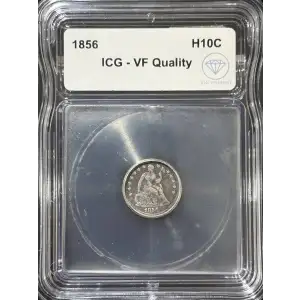
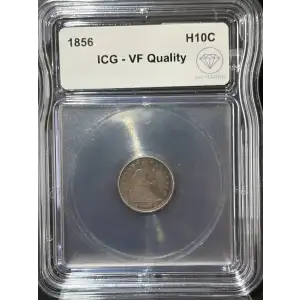
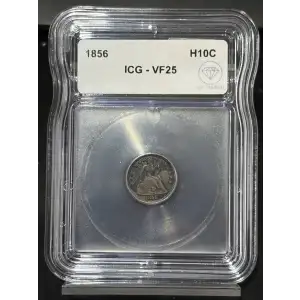
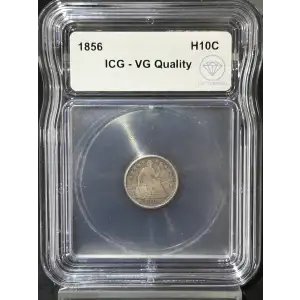
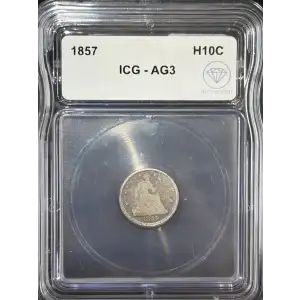
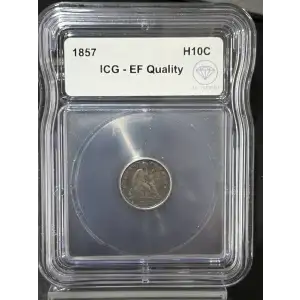
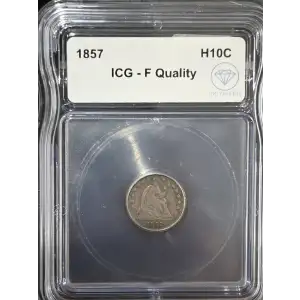
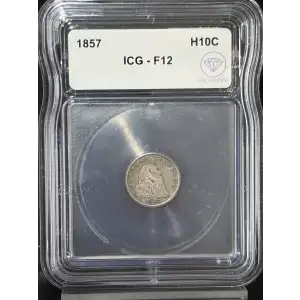
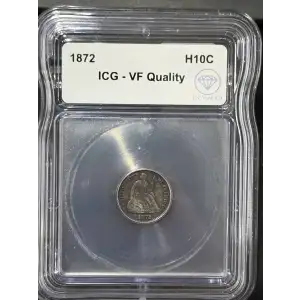
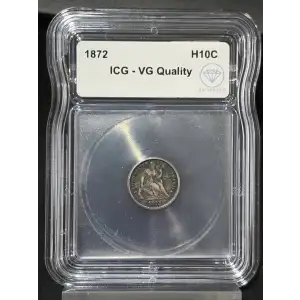
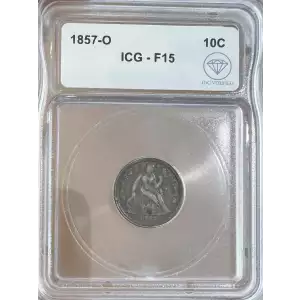
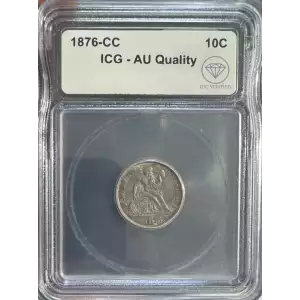
Liberty Seated coinage is among the most recognizable nineteenth-century American coin designs. The seated figure of Liberty appeared on multiple denominations beginning in the 1830s.
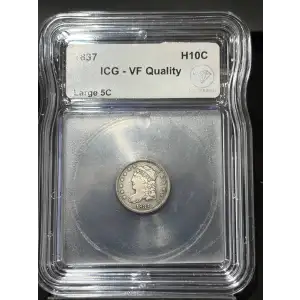
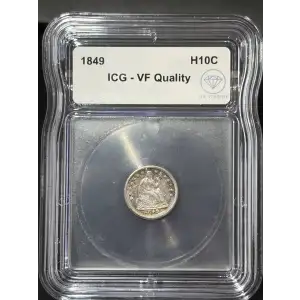
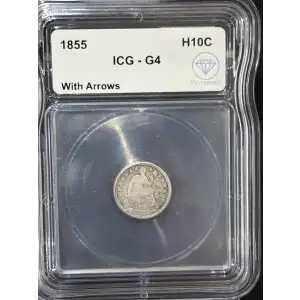
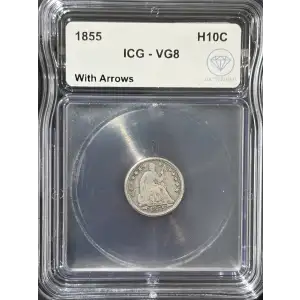
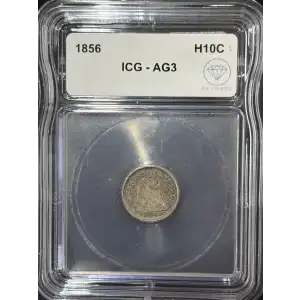
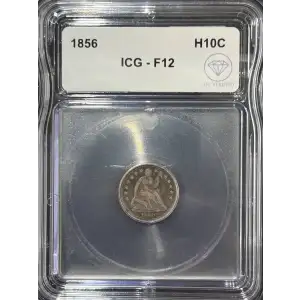
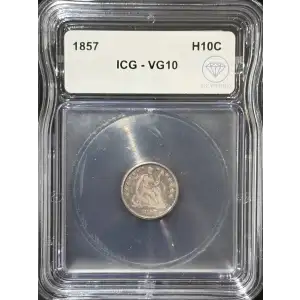
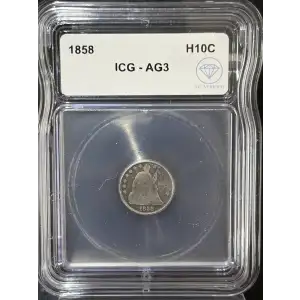
Liberty Seated Half Dimes: 1837-1873
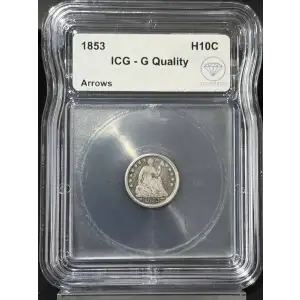
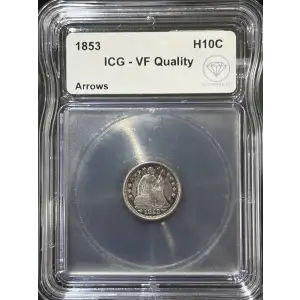
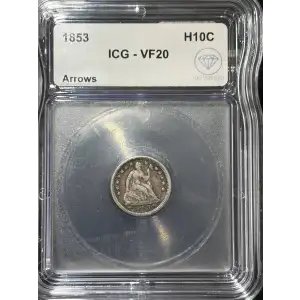
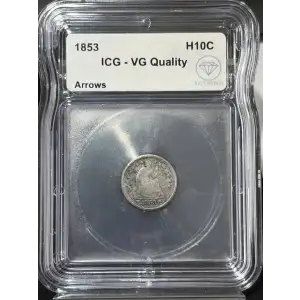
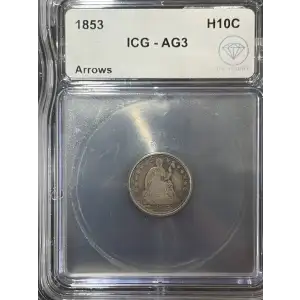
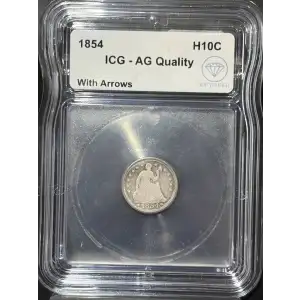
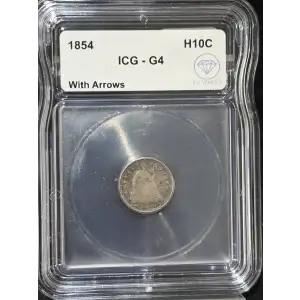
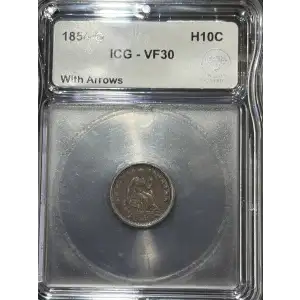
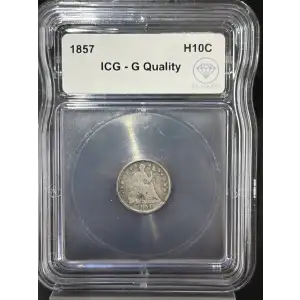
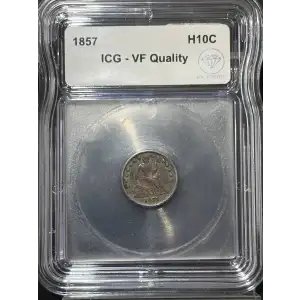
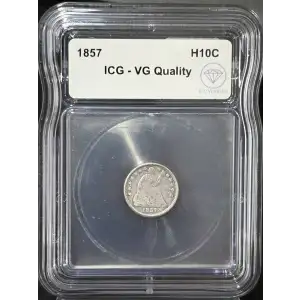
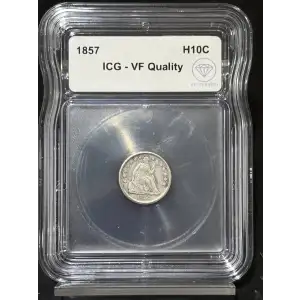
Liberty Seated half dimes were small silver coins with a face value of five cents. The series includes multiple design subtypes, mintmarks, and collectible varieties.
These coins are distinct from the later copper-nickel five-cent pieces commonly called nickels.
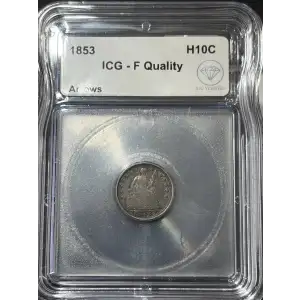
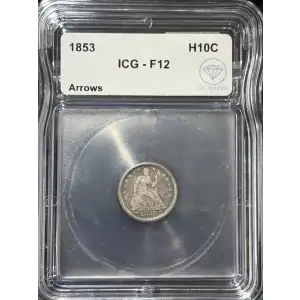
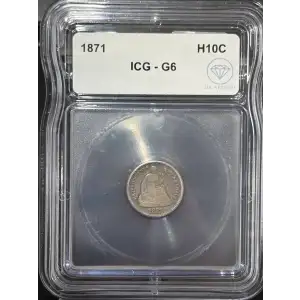
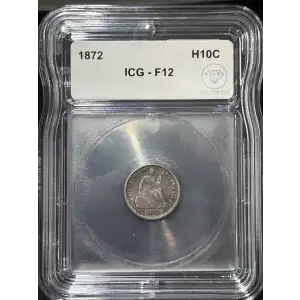
Liberty Seated Dimes: 1837-1891
Liberty Seated dimes offer opportunities to collect different design types, dates, mintmarks, and varieties. Some issues feature arrows beside the date, reflecting changes to coinage specifications.
Liberty Seated Quarters: 1838-1891
Liberty Seated quarters span a long period of American monetary history, including the California Gold Rush, the Civil War, and Reconstruction. Collectors may focus on design changes, mintmarks, and condition.
Liberty Seated Half Dollars: 1839-1891
Liberty Seated half dollars were produced in several major design varieties. Examples include No Motto and With Motto issues, along with arrows-at-date subtypes.
When collecting Liberty Seated silver, verify the coin's date, mintmark, subtype, and composition because silver weights changed for certain denominations during the nineteenth century.
Capped Bust Half Dimes and Half Dollars
Capped Bust coins feature Liberty wearing a cap and are associated with the early decades of the United States Mint.
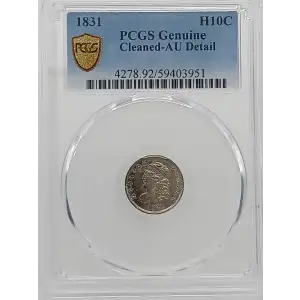
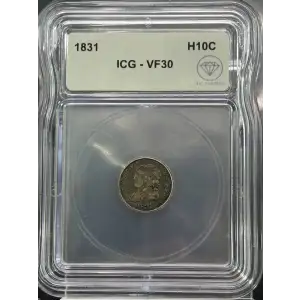
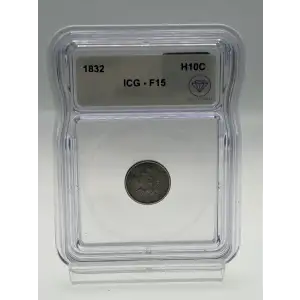
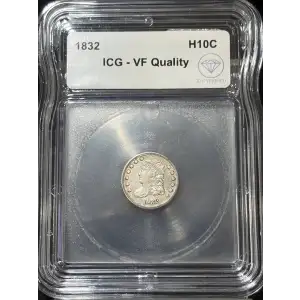
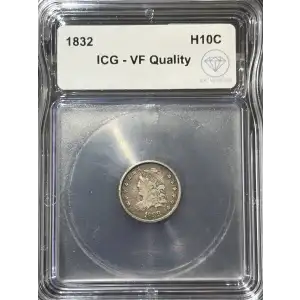
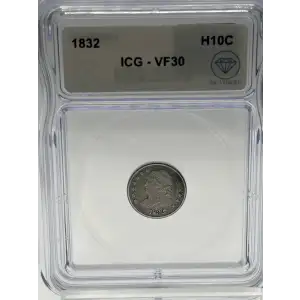
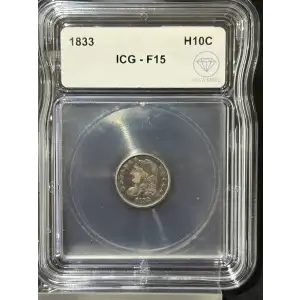
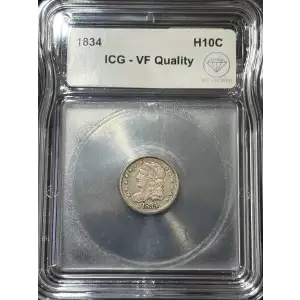
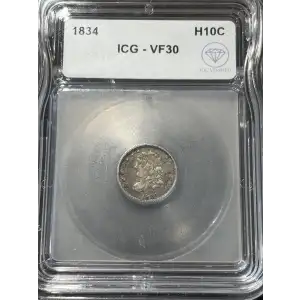
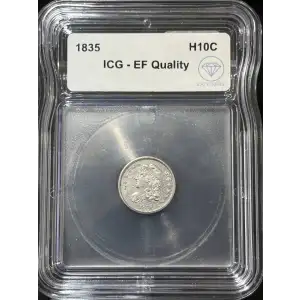
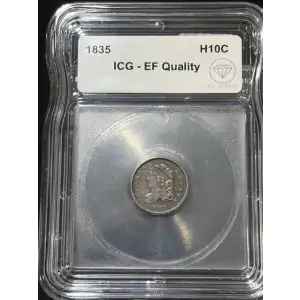
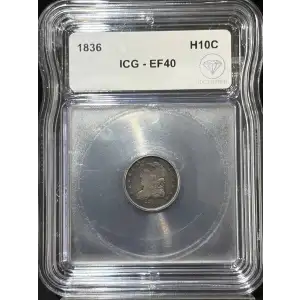
Capped Bust Half Dimes: 1829-1837
The Capped Bust half dime series includes small silver coins that appeal to early American type collectors. Dates, die varieties, condition, and original surfaces are important collecting considerations.
Capped Bust Half Dollars: 1807-1839
Capped Bust half dollars are a major specialty within early U.S. numismatics. Collectors often study their die marriages and Overton variety attributions.
Some Capped Bust half dollars have substantial collector premiums based on scarcity, variety, preservation, and demand.
Mercury Dimes: 1916-1945
The Mercury dime, officially known as the Winged Liberty Head dime, was designed by Adolph A. Weinman. Its obverse depicts Liberty wearing a winged cap, symbolizing freedom of thought.
Mercury dimes contain 90% silver and 10% copper. Collectors pursue them by date, mintmark, grade, and designations such as Full Bands.
Notable issues include the 1916-D Mercury dime, 1921 and 1921-D issues, and the 1942/1 overdate varieties.
Standing Liberty and Washington Quarters
Standing Liberty Quarters: 1916-1930
Standing Liberty quarters were designed by Hermon A. MacNeil and feature Liberty standing between architectural elements on the obverse.
The series includes Type 1 and Type 2 designs, as well as the later recessed-date modification introduced in 1925. Collectors may also pursue Full Head examples.
Silver Washington Quarters: 1932-1964
Regular-issue Washington quarters dated 1932 through 1964 contain 90% silver. The design was introduced to commemorate the 200th anniversary of George Washington's birth.
Collectors pursue Washington quarters by date, mintmark, condition, and variety. The 1932-D and 1932-S issues are well-known key dates.
Regular circulation Washington quarters produced beginning in 1965 generally use copper-nickel clad composition, although later special silver collector issues also exist.
Walking Liberty, Franklin, and Kennedy Half Dollars
Walking Liberty Half Dollars: 1916-1947
Walking Liberty half dollars feature Adolph A. Weinman's iconic Liberty design, later adapted for the obverse of the American Silver Eagle.
These half dollars contain 90% silver and are collected by date, mintmark, grade, and originality.
Franklin Half Dollars: 1948-1963
Franklin half dollars feature Benjamin Franklin on the obverse and the Liberty Bell on the reverse. They contain 90% silver and are popular with collectors seeking complete date-and-mintmark sets.
Some certified examples receive Full Bell Lines designations, depending on the grading service and the coin's strike characteristics.
Kennedy Half Dollars
The Kennedy half dollar was introduced in 1964 following the assassination of President John F. Kennedy.
Regular 1964 Kennedy half dollars contain 90% silver. Circulation strikes dated 1965 through 1970 contain 40% silver, while regular circulation issues from 1971 onward generally use copper-nickel clad composition.
Special collector versions have also been produced in silver. Verify the composition of each Kennedy half dollar rather than assuming every issue contains precious metal.
Historic U.S. Silver Dollars
United States silver dollars include early federal issues, Liberty Seated dollars, Morgan dollars, Peace dollars, and later collector releases.
Draped Bust Silver Dollars
Draped Bust dollars were produced during the early federal period. These historic coins attract collectors interested in early U.S. Mint production, die varieties, and scarce surviving examples.
Liberty Seated Silver Dollars
Liberty Seated dollars were struck during the nineteenth century and include several major design types and collectible dates.
Morgan and Peace Silver Dollars
Morgan and Peace dollars are among the most widely collected American silver coins. IDC also offers dedicated categories for certified Morgan silver dollars and certified Peace dollars.
Eisenhower Dollars
Eisenhower dollars were issued from 1971 through 1978. Some collector versions contain 40% silver, while regular circulation issues generally have a copper-nickel clad composition.
Review the specific issue, mintmark, packaging, and composition before treating an Eisenhower dollar as a silver coin.
Classic U.S. Silver Commemorative Coins
The classic United States commemorative coin era began with the 1892 Columbian Exposition half dollar and continued through 1954.
Classic silver commemoratives celebrate historic events, notable people, states, anniversaries, and important American institutions.
Collectors pursue these coins by issue, design, mintage, grade, and original surface preservation. Many classic commemorative half dollars contain 90% silver.
Modern U.S. Silver Commemoratives and Proof Coins
Modern United States commemorative coin programs began in 1982 and include a variety of silver and clad issues.
Modern silver commemoratives may be issued in proof and uncirculated formats, often with original government packaging and certificates of authenticity.
Not every modern commemorative coin is made of silver. The composition, denomination, and specifications should be verified for each issue.
Understanding U.S. Silver Coin Content
Silver content depends on a coin's denomination, date, and specific issue. The following table provides approximate actual silver weights for common 90% silver circulation coins produced under the specifications used for much of the late nineteenth and twentieth centuries.
| Denomination | Silver Purity | Approx. Silver Weight |
|---|---|---|
| Dime | 90% | 0.07234 troy oz |
| Quarter | 90% | 0.18084 troy oz |
| Half Dollar | 90% | 0.36169 troy oz |
| Morgan / Peace Dollar | 90% | 0.77344 troy oz |
These values are based on original specifications and do not account for silver lost through circulation wear. Earlier U.S. silver issues, modern collector coins, and coins with different compositions may have different silver weights.
Certified U.S. Silver Coins: PCGS, NGC, ANACS, and ICG
Many collectible American silver coins are authenticated and graded by professional services such as PCGS, NGC, ANACS, and ICG.
Third-party grading holders generally identify the coin's date, denomination, grade, and certification number. Some holders also display recognized varieties, special designations, or details grades.
| Grade | General Meaning |
|---|---|
| G-4 to G-6 | Good; substantial circulation wear. |
| VG-8 to VG-10 | Very Good; major design details remain visible. |
| F-12 to F-15 | Fine; moderate to considerable circulation wear. |
| VF-20 to VF-35 | Very Fine; moderate wear with stronger details. |
| XF-40 to XF-45 | Extremely Fine; light wear on high points. |
| AU-50 to AU-58 | About Uncirculated; slight wear with remaining luster. |
| MS-60 to MS-70 | Mint State; no circulation wear, with varying preservation. |
Descriptive labels such as VF Quality, EF Quality, or AU Quality should not automatically be interpreted as specific numerical grades. Review the individual listing and certification details.
What Determines the Value of a U.S. Silver Collector Coin?
The market value of a collectible U.S. silver coin depends on more than its silver content.
- Date and mintmark: Some issues are considerably scarcer than others.
- Condition: Preservation, original surfaces, and eye appeal affect collector interest.
- Silver content: Actual silver weight contributes to intrinsic value.
- Varieties: Recognized overdates, doubled dies, and other varieties may attract premiums.
- Certification: Third-party grading and attribution can influence marketability.
- Historical significance: Certain designs and issues have specialized collector demand.
- Availability: Supply and collector interest change over time.
Silver spot prices and numismatic premiums fluctuate. A certified grade or scarce date does not guarantee future appreciation.
How to Build a U.S. Silver Coin Collection
- Choose a collecting focus. Consider Barber coins, Liberty Seated coins, early half dollars, Washington quarters, or silver commemoratives.
- Decide between type and date collecting. A type set focuses on representative designs, while a date-and-mintmark set follows an individual series.
- Verify silver composition. Check the date, denomination, and issue specifications.
- Evaluate condition. Look for wear, cleaning, damage, originality, and eye appeal.
- Review certification. Check grading service information and recognized variety attributions.
- Compare prices. Consider both precious metal value and collector-market premiums.
Buy U.S. Silver Collector Coins Online
IDC Coin & Bullion, a division of International Diamond Center, offers collectible American coins and precious metals through its online store. Headquartered in Clearwater, Florida, IDC serves numismatic collectors throughout the United States.
Browse the available U.S. silver collector coins above or explore related categories:
- Certified Morgan Silver Dollars
- Certified Peace Silver Dollars
- Certified American Silver Eagles
- World Silver Collector Coins
- Collector Curiosities and Type Coins
- Sell Silver Coins to IDC
Frequently Asked Questions About U.S. Silver Collector Coins
What are U.S. silver collector coins?
U.S. silver collector coins include historic circulation coins, commemoratives, proofs, and other collectible United States coins containing silver.
Which older U.S. coins contain silver?
Many U.S. dimes, quarters, and half dollars issued before 1965 contain 90% silver. Earlier issues and later special collector coins may have different specifications.
Are Barber half dollars made of silver?
Yes. Barber half dollars issued from 1892 through 1915 contain 90% silver and 10% copper.
Are Liberty Seated coins collectible?
Yes. Liberty Seated coins are popular among collectors of nineteenth-century American coinage, with interest in different denominations, design subtypes, dates, mintmarks, and varieties.
What is a U.S. silver type set?
A U.S. silver type set contains representative examples of different American silver coin designs and denominations rather than every date in a particular series.
Are all Kennedy half dollars silver?
No. Regular 1964 Kennedy half dollars contain 90% silver, circulation issues from 1965 through 1970 contain 40% silver, and most later regular circulation issues are copper-nickel clad. Special silver collector versions also exist.
Are Eisenhower dollars made of silver?
Some collector Eisenhower dollars contain 40% silver, while regular circulation Eisenhower dollars generally have copper-nickel clad composition.
Are certified silver coins worth more than their silver content?
Some certified silver coins carry premiums based on rarity, date, mintmark, grade, variety, and collector demand. Others trade closer to their intrinsic silver value.
Does IDC buy old U.S. silver coins?
IDC evaluates eligible U.S. silver coins and numismatic collections for potential purchase. Visit our Sell to Us page for details.
