






Silver Bars: A Complete Buyer's Guide
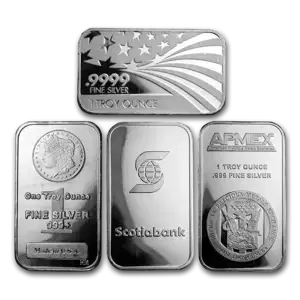
Silver bars are physical bullion products manufactured in standardized or specialty weights. They are produced by precious metals refiners and private mints and are commonly purchased for their fine silver content.
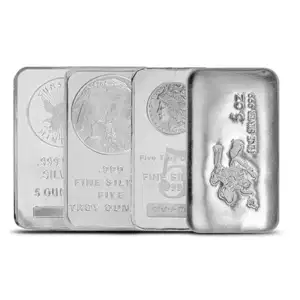
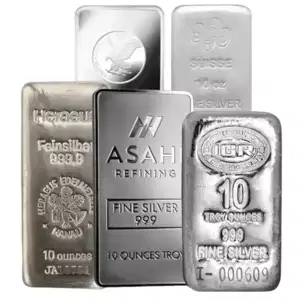
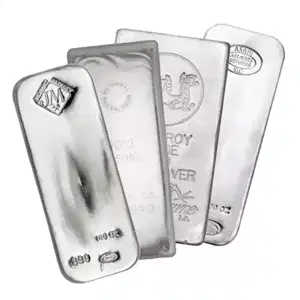
Silver bars range from small one-ounce pieces to large 100-ounce bars and industrial-scale products. Buyers may choose bars for their recognizable manufacturers, efficient storage, or competitive premiums over silver spot.
At IDC Coin & Bullion, a division of International Diamond Center, customers can shop silver bullion bars, vintage refinery products, and collectible silver from a variety of manufacturers.
Silver Bar Sizes: 1 oz, 5 oz, 10 oz, Kilo & 100 oz
Silver bars are available in a variety of sizes. Each format offers different advantages for purchasing, storage, and potential resale.
| Silver Bar Size | Troy Ounces | Approximate Grams | Common Consideration |
|---|---|---|---|
| 1 oz Silver Bar | 1 oz | 31.1035 g | Smaller purchases and flexibility |
| 5 oz Silver Bar | 5 oz | 155.517 g | Intermediate bullion size |
| 10 oz Silver Bar | 10 oz | 311.035 g | Popular larger bullion format |
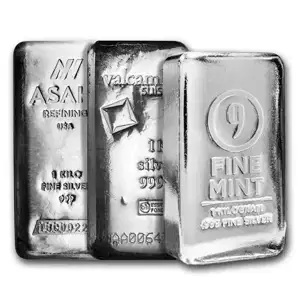
| 1 Kilo Silver Bar | 32.1507 oz | 1,000 g | Metric weight and substantial silver content |
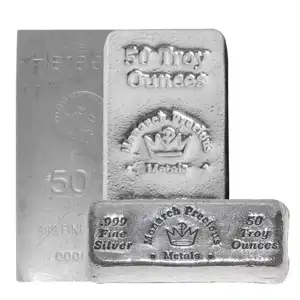
| 50 oz Silver Bar | 50 oz | 1,555.174 g | Large bullion purchase |
| 100 oz Silver Bar | 100 oz | 3,110.348 g | Bulk silver exposure in one bar |
The weights shown are nominal conversions. A product's actual fine silver content should be confirmed from its stated specifications.
Types of Silver Bars
Minted Silver Bars
Produced using controlled manufacturing processes that create uniform shapes, crisp designs, and consistent finishes. Some are packaged in protective assay cards or sealed holders.
Cast & Poured Silver Bars
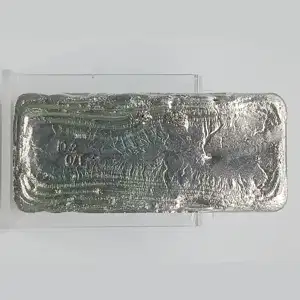
Manufactured by casting molten silver into molds. These bars may feature distinctive surface textures, stamped markings, and individual manufacturing characteristics.
Generic Silver Bars
Bullion bars purchased primarily for their silver content rather than a specific manufacturer. Various-mint products may offer competitive premiums.
Vintage Silver Bars
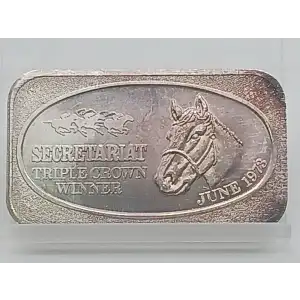
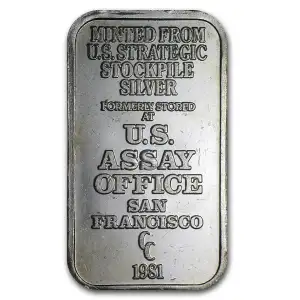
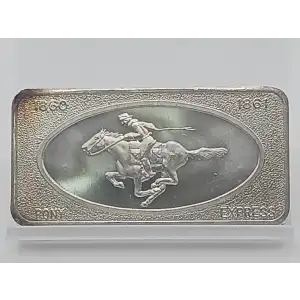
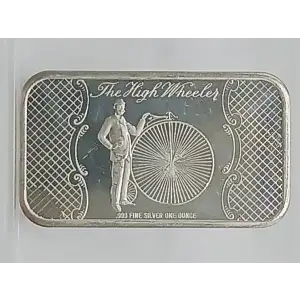
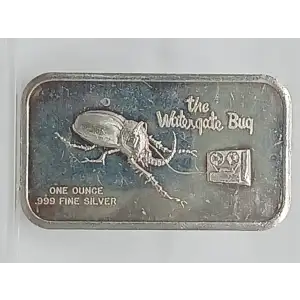
Older bars from historic refiners, private mints, and commemorative producers. Some carry collector premiums based on maker, rarity, and condition.
Stackable Silver Bars
Designed with shapes or surfaces that allow compatible bars to stack together. Scottsdale Stackers are a recognizable example of this format.
Collectible Art Bars
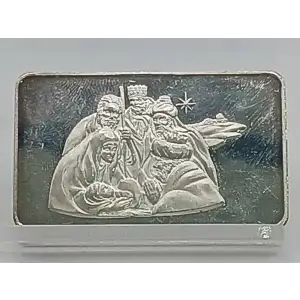
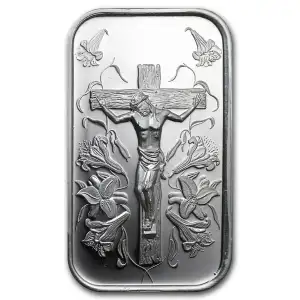
Silver bars featuring historical, commemorative, artistic, or themed designs. Collectors may value these beyond their underlying metal content.
Popular Silver Bar Manufacturers & Refiners
Silver bars are produced by established precious metal manufacturers, private mints, and historic refiners.
Engelhard
Historic Engelhard silver bars are popular with bullion buyers and vintage bar collectors. Specific production varieties may command collector premiums.
Johnson Matthey
Johnson Matthey is a historic name in precious metals refining. Older silver bars remain recognizable in the secondary bullion market.
Scottsdale Mint
Known for distinctive lion branding, interlocking Stacker bars, and specialty silver bullion designs.
Geiger Edelmetalle
German precious metals manufacturer recognized for its square silver bar formats and security-focused product designs.
Sunshine Minting
Private precious metals mint producing silver bullion bars and rounds, including products with specialized security features.
PAMP Suisse
Swiss precious metals refiner known for minted bullion bars and artistic designs, including the Fortuna series.
Manufacturer availability varies. Browse the product listings above for current silver bar inventory.
Collecting Vintage Silver Bars & Art Bars
Vintage silver bars have developed a dedicated collector market. While many older bars trade primarily for their silver content, others attract additional demand based on manufacturer, design, age, and production history.
Collectors may seek bars from historic refiners, regional bullion companies, commemorative producers, and manufacturers that are no longer active.
IDC's silver bar inventory may include vintage one-ounce art bars, refinery bars, dated commemoratives, and unusual secondary-market pieces.
Explore vintage silver bars and coins for additional collectible pieces.
How Are Silver Bar Prices Calculated?
The retail price of a silver bar generally reflects its fine silver content multiplied by the prevailing silver spot price, plus an applicable premium.
Silver Spot Price
The reference market price of silver, usually quoted per troy ounce. It changes with market conditions.
Manufacturing & Dealer Premium
Covers factors such as production, distribution, product availability, and dealer costs.
Collector Premium
Vintage refiners, unusual designs, scarce varieties, and desirable makers may command additional premiums.
What Size Silver Bar Should You Buy?
The best silver bar size depends on your budget, preferred purchase quantity, storage arrangements, and resale considerations.
| Buying Goal | Bars to Compare | Key Consideration |
|---|---|---|
| Smaller purchases | 1 oz and 5 oz bars | Flexibility and smaller transaction sizes |
| Mid-size bullion purchases | 10 oz bars | Premium per ounce and ease of resale |
| Larger silver holdings | Kilo, 50 oz, and 100 oz bars | Storage, liquidity, and total transaction value |
| Collecting | Vintage refinery and art bars | Maker, condition, rarity, and collector premium |
Larger bars can sometimes offer lower premiums per ounce, but they require a larger purchase and may be less flexible to sell in smaller increments.
Silver Bar Purity: .999 vs. .9999 Fine Silver
Many modern silver bullion bars are manufactured from .999 fine silver, representing 99.9% purity. Some bars are marked .9999 fine, representing 99.99% purity.
Both are recognized high-purity bullion standards. Buyers should compare actual fine silver content, manufacturer recognition, product condition, and premiums.
Vintage bars may use different markings or specifications. Check each individual product before assuming its purity.
Silver Bars vs. Silver Coins
Silver bars and government-issued silver bullion coins can both provide ownership of physical silver, but they differ in issuing authority, format, and market recognition.
| Feature | Silver Bars | Silver Bullion Coins |
|---|---|---|
| Issuer | Private mint or refiner | Government mint or authorized issuer |
| Legal Tender | Generally no | Generally yes |
| Typical Sizes | 1 oz through 100 oz and larger | Often 1 oz and specialty weights |
| Primary Appeal | Silver weight and storage efficiency | Government recognition and collectibility |
| Premiums | Often competitive in larger formats | Depend on mint, series, and demand |
Compare silver bullion coins and silver rounds when evaluating different ways to purchase physical silver.
Silver Bar Authenticity & Verification
Authentic silver bars should be evaluated using the appropriate combination of physical measurements, identifying markings, manufacturer specifications, and precious metal testing.
Weight & Dimensions
Compare measured weight and dimensions with published specifications for the particular bar.
Manufacturer Markings
Look for refiner logos, weight and purity stamps, serial numbers where applicable, and other identifying characteristics.
Metal Composition Testing
Appropriate testing methods can help verify silver content and identify possible counterfeit or altered products.
Some genuine vintage bars have unusual dimensions, irregular pours, or distinctive historic markings. Authentication should account for the specific manufacturer and production period.
How to Store Silver Bars
Silver bars should be kept in secure, reasonably dry storage. Protective sleeves, capsules, sealed packaging, and suitable storage containers can help reduce handling damage.
Silver can develop toning or tarnish through exposure to environmental compounds. Toning does not necessarily affect the amount of silver in a bar.
For vintage and collectible silver bars, original surfaces and packaging may be important to collectors. Avoid abrasive cleaning or polishing.
Buy & Sell Silver Bars in Florida & Georgia
IDC Coin & Bullion, a division of International Diamond Center, offers silver bullion bars and collectible precious metals online to customers throughout the United States.
Headquartered in Clearwater, Florida, IDC operates 11 retail locations across Florida and Georgia, serving communities including Clearwater, Tampa, Sarasota, Orlando, Altamonte Springs, Gainesville, Lakeland, Naples, Port St. Lucie, and Savannah.
Have silver bars to sell? IDC evaluates a variety of precious metal products, including one-ounce bars, ten-ounce bars, kilo bars, larger bullion bars, and collectible vintage silver.
Contact IDC to discuss your silver bars and available evaluation or purchasing options. Offers depend on the specific product, silver content, condition, and market conditions.
Explore IDC retail locations or learn more about the precious metals IDC buys .
Silver Bars: Frequently Asked Questions
What is a silver bullion bar?
A silver bullion bar is a manufactured precious metal product containing a stated amount of silver. Bars are produced in different weights and are generally valued primarily for their silver content.
What is the best size silver bar to buy?
The best size depends on your budget, storage preferences, and resale needs. One-ounce bars offer smaller purchase sizes, while ten-ounce and larger bars may offer competitive premiums per ounce.
How much does a 10 oz silver bar weigh?
Ten troy ounces equal approximately 311.035 grams. Confirm the manufacturer's stated fine silver content and total weight.
How many troy ounces are in a kilo silver bar?
One kilogram equals approximately 32.1507 troy ounces.
How much does a 100 oz silver bar weigh?
One hundred troy ounces equal approximately 3,110.35 grams, or 3.11035 kilograms.
Are silver bars .999 fine silver?
Many modern silver bars are .999 fine, meaning 99.9% silver. Other bars may be .9999 fine or have different specifications.
Are silver bars cheaper than silver coins?
Larger silver bars often carry lower percentage premiums than some government-issued bullion coins, but pricing depends on the product and market.
What is the difference between cast and minted silver bars?
Cast bars are formed by pouring molten metal into molds, while minted bars are manufactured using processes that create more uniform shapes and finishes.
Are vintage silver bars worth more than silver value?
Some vintage bars carry collector premiums based on manufacturer, scarcity, design, condition, and demand. Others trade primarily for their silver content.
How do I know if a silver bar is real?
Authentication may involve weight and dimension checks, examination of manufacturer markings, and appropriate precious metal testing. No single visual feature guarantees authenticity.
Can silver bars be held in a precious metals IRA?
Certain qualifying silver bars may be eligible for precious metals IRAs under applicable rules. Confirm product eligibility and custodial requirements with a qualified IRA custodian.
Where can I buy silver bars online?
IDC Coin & Bullion offers silver bars in a range of weights, manufacturers, and collectible designs. Browse current inventory for available products.
Does IDC buy silver bars?
IDC evaluates silver bars and other precious metals. Contact IDC to discuss your specific bars and available purchasing options.
Explore More Silver Bullion at IDC
Shop Silver Bars at IDC Coin & Bullion
Explore 1 oz, 5 oz, 10 oz, kilo, 50 oz, and 100 oz silver bars, along with poured silver, vintage refinery bars, and collectible silver. Shop available inventory online or contact IDC about buying and selling silver bullion.
