

Buying Larger Gold Bars: What You Should Know
Larger gold bars are physical gold bullion products weighing more than the standard one-troy-ounce retail format. Common sizes include 2 oz, 5 oz, and 10 oz gold bars.
These products appeal to buyers who want to hold multiple troy ounces of gold in fewer individual pieces. Some larger bars are purchased primarily for their precious metal content, while vintage refinery bars may attract additional collector interest.
IDC Coin & Bullion offers selected larger-format gold bars from recognized manufacturers, including Scottsdale Mint, Engelhard, and Johnson Matthey. Availability is subject to change.
Compare 2 oz, 5 oz & 10 oz Gold Bars
Larger gold bars are generally measured in troy ounces. One troy ounce equals approximately 31.1035 grams.
| Bar Size | Approximate Weight | IDC Catalog Examples |
|---|---|---|
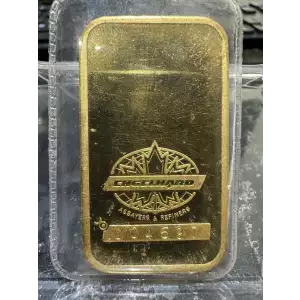
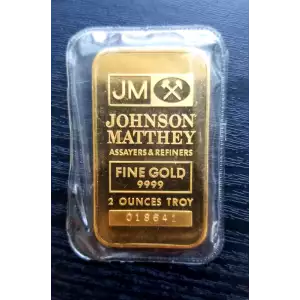
| 2 troy oz | 62.207 grams | Engelhard Canada; Johnson Matthey |
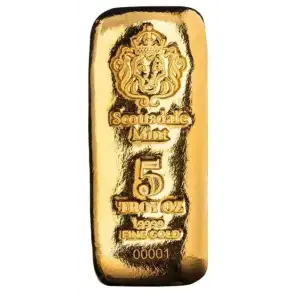
| 5 troy oz | 155.517 grams | Scottsdale Mint cast gold bar |
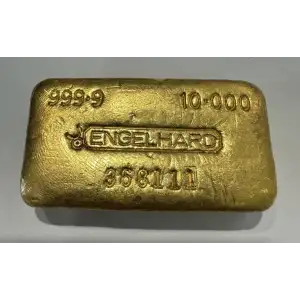
| 10 troy oz | 311.035 grams | Engelhard poured loaf gold bar |
2 oz Gold Bars: Engelhard & Johnson Matthey
Two-ounce gold bars contain approximately 62.207 grams of total metal. When specified as two troy ounces of fine gold, they contain two full troy ounces of gold.
Engelhard Industries Canada Gold Bars
Engelhard is a recognized name among collectors of vintage precious metals. Older Canadian Engelhard bars may feature distinctive refinery markings, Scotiabank branding, and maple leaf designs.
These characteristics can attract interest from collectors seeking specific historic bullion varieties. Their collectible premiums depend on the exact issue and market demand.
Johnson Matthey Gold Bars
Johnson Matthey is another historic refining name associated with gold and silver bullion.
Two-ounce Johnson Matthey gold bars can appeal to buyers seeking less common bullion formats from established manufacturers. Weight, purity, hallmarks, and condition should be reviewed individually.
5 oz Gold Bars: Scottsdale Mint Cast Bullion
Five-ounce gold bars contain approximately 155.517 grams of total metal.
IDC's catalog includes a Scottsdale Mint 5 oz Gold Cast Bar, a larger-format bullion product from a recognized American mint.
Cast gold bars are formed using molten metal and molds. This production method can create distinctive textures and surface characteristics.
Buyers should confirm the product's stated fineness, manufacturer markings, condition, and total price before purchasing.
10 oz Gold Bars: Vintage Engelhard Poured Gold
A 10 oz gold bar represents a substantial quantity of physical gold, weighing approximately 311.035 grams.
IDC's catalog includes a 10 oz Engelhard Poured Loaf Gold Bar featuring the historic bull logo.
Vintage poured Engelhard bars may appeal to buyers interested in traditional bullion production, distinctive hallmarks, and historic refinery designs.
Because a ten-ounce bar represents a significant amount of precious metal, authenticity, secure storage, and future resale considerations are particularly important.
Advantages & Trade-Offs of Larger Gold Bars
Consolidated Gold Holdings
Larger bars allow buyers to hold several ounces of gold in fewer physical products.
Potentially Lower Premiums
Larger modern bullion bars may have lower manufacturing premiums per ounce, although vintage bars can behave differently.
Less Divisibility
Selling part of a holding can be easier with several smaller bars than with one larger bar.
For example, ten separate one-ounce bars may be sold individually. A single ten-ounce bar is generally sold as one unit.
Compare 1 oz gold bars and fractional gold bars when evaluating flexibility and cost per fine ounce.
Poured Gold Bars vs. Minted Gold Bars
| Feature | Poured / Cast Bars | Minted Bars |
|---|---|---|
| Manufacturing | Molten gold cast into molds | Prepared blanks formed and stamped |
| Appearance | May show natural surface textures | Often precise and uniform |
| Packaging | Varies by manufacturer | May include sealed assay cards |
| Purity | Depends on product specifications | Depends on product specifications |
| Collector Appeal | Possible for vintage refinery bars | Possible for specialty or discontinued issues |
Neither production method automatically makes a gold bar more valuable. Compare fine gold content, manufacturer, condition, and market premiums.
How Much Do Larger Gold Bars Cost?
The price of a larger gold bar is influenced by the current gold spot price, its fine gold content, and any applicable bullion or collector premium.
Do Larger Gold Bars Have Lower Premiums?
Modern larger-format bars sometimes carry lower premiums per fine ounce than smaller gold bars because certain manufacturing and distribution costs are spread over more metal.
However, vintage Engelhard and Johnson Matthey bars may carry collectible premiums that differ substantially from generic modern bullion.
Compare the complete acquisition cost and consider potential resale spreads.
How to Authenticate Larger Gold Bars
Authentication is particularly important when evaluating high-value gold bullion. Appropriate methods may include weight and dimension checks, examination of hallmarks and serial numbers, and professional precious metal testing.
Testing methods can include conductivity measurements, X-ray fluorescence, ultrasonic evaluation, and other techniques appropriate to the product.
No single non-destructive test is conclusive in every situation. Results should be interpreted using the bar's specifications and construction.
Vintage bars may require additional research because their dimensions, stamps, and finishes can differ from modern standardized bullion.
Storage, Insurance & Resale Considerations
Larger gold bars concentrate substantial value into relatively compact objects. Buyers should consider secure storage, insurance, and maintaining purchase records.
Preserve any original packaging and document identifying details such as weight, fineness, manufacturer, and serial number where applicable.
Insurance policies may limit coverage for precious metals. Confirm applicable coverage and exclusions with your insurer.
When planning a future sale, consider whether the bar is likely to be valued primarily for metal content or whether a specialist collector market may affect its premium.
Buy & Sell Large Gold Bars in Clearwater, Florida
IDC Coin & Bullion, a division of International Diamond Center, is headquartered in Clearwater, Florida.
International Diamond Center operates 11 retail locations across Florida and Georgia, serving customers interested in gold, silver, bullion, and collectible coins.
Customers in Clearwater, Tampa, St. Petersburg, and the greater Tampa Bay area can contact IDC about buying and selling gold bars, including larger-format and vintage bullion.
IDC's ecommerce website also serves customers throughout the United States, subject to applicable ordering and shipping terms.
Have a 2 oz, 5 oz, or 10 oz gold bar to sell? IDC evaluates a variety of precious metals products.
Learn more about what IDC buys or find an IDC retail location . Contact the team to confirm services and product availability.
Larger Gold Bars: Frequently Asked Questions
What sizes are considered larger gold bars?
Larger retail gold bars commonly include 2 oz, 5 oz, and 10 oz products. Larger institutional bullion formats also exist.
How much does a 2 oz gold bar weigh?
Two troy ounces equal approximately 62.207 grams. Fine gold content depends on the bar's purity.
How much does a 5 oz gold bar weigh?
Five troy ounces equal approximately 155.517 grams.
How much does a 10 oz gold bar weigh?
Ten troy ounces equal approximately 311.035 grams.
Are larger gold bars cheaper per ounce?
They sometimes carry lower premiums per ounce than smaller bullion products. Pricing varies by refiner, condition, and market demand.
Are Engelhard gold bars collectible?
Certain vintage Engelhard bars attract collectors interested in historic refinery designs, hallmarks, and less common varieties.
Are Johnson Matthey gold bars valuable?
Genuine Johnson Matthey gold bars have underlying precious metal value. Certain vintage issues may also attract collectible premiums.
What is a poured gold bar?
A poured gold bar is produced by casting molten gold into a mold. This can create distinctive surface textures.
What is the difference between a cast and minted gold bar?
Cast bars are formed using molten metal, while minted bars are typically made from prepared blanks using precision manufacturing processes.
How do I calculate a large gold bar's melt value?
Multiply its fine gold weight in troy ounces by the current gold spot price per ounce.
Can I sell a 10 oz gold bar?
Genuine ten-ounce gold bars can be sold through appropriate precious metals buyers. Offers depend on authentication, market conditions, and product characteristics.
Does IDC buy larger gold bars?
IDC evaluates various gold bullion products. Contact the team to discuss the specific bars you want to sell.
Where can I buy large gold bars online?
IDC Coin & Bullion offers selected 2 oz, 5 oz, and 10 oz gold bars through its online marketplace, subject to availability.
Explore More Gold Bullion Categories
Shop Larger Gold Bars at IDC Coin & Bullion
Explore 2 oz, 5 oz, and 10 oz gold bullion from Scottsdale Mint, Engelhard, Johnson Matthey, and other available manufacturers. Compare modern cast bars and collectible vintage gold in our online inventory.
