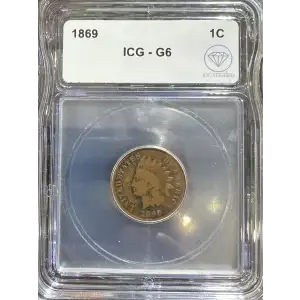
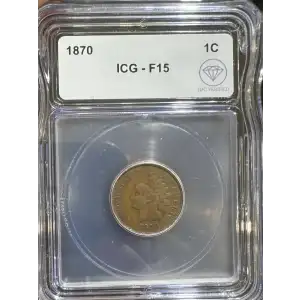
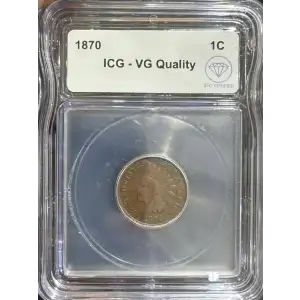
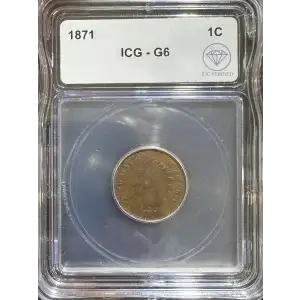
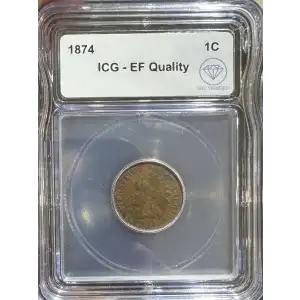
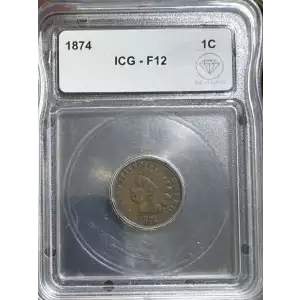
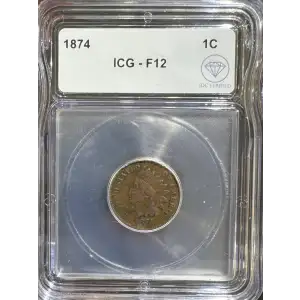
Early Copper & Historic Cents
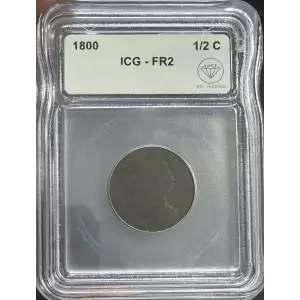
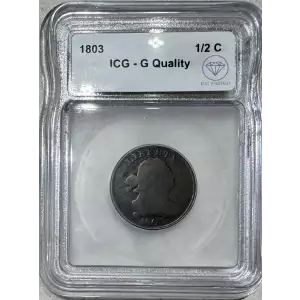
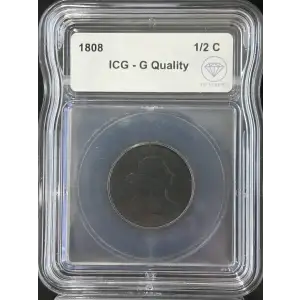
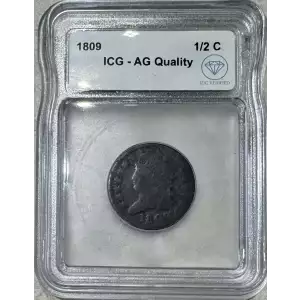
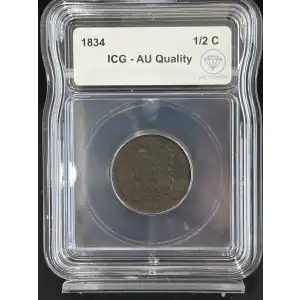
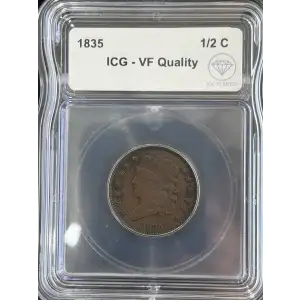
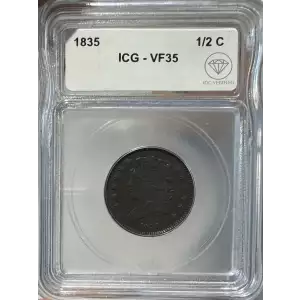
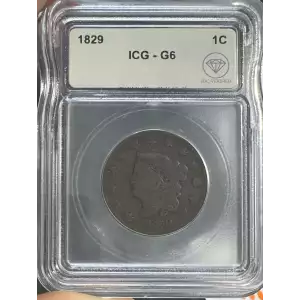
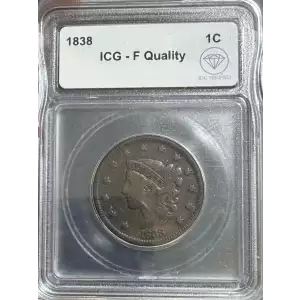
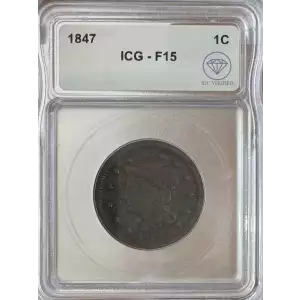
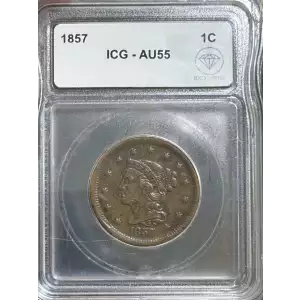
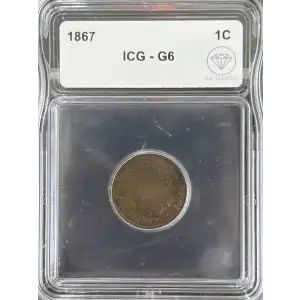
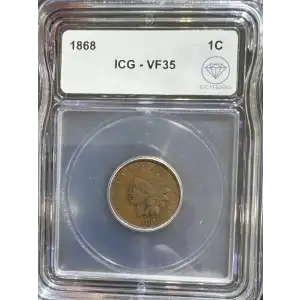
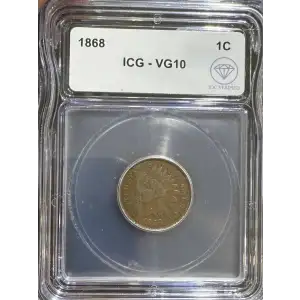
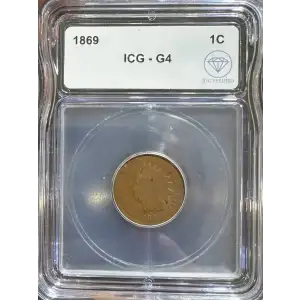
Discover Draped Bust and Classic Head half cents, large cents, Flying Eagle cents, Indian Head cents, and Lincoln cents.


Can't find what you want?
IDC Coin & Bullion | Historic Numismatics
Explore historic American coins, obsolete denominations, unusual varieties, Civil War tokens, and collectible pieces representing more than two centuries of monetary history.
From early half cents and large cents to Flying Eagle cents, Indian Head cents, Lincoln cents, Shield nickels, Buffalo nickels, two-cent pieces, and three-cent nickels, this collection offers opportunities for both beginning and experienced numismatists.
IDC Coin & Bullion, part of International Diamond Center, offers historic U.S. type coins and selected world coins, including professionally certified examples and eligible IDC Verified pieces.
Browse the inventory below using available filters for coin series, year, mintmark, grading service, and grade. Examine individual listings for exact identification, certification, condition, and variety information.
Discover Draped Bust and Classic Head half cents, large cents, Flying Eagle cents, Indian Head cents, and Lincoln cents.
Explore Shield, Liberty Head, Buffalo, and Jefferson nickels, along with two-cent and three-cent denominations.
Browse Civil War tokens, unusual coinage, attributed varieties, and eligible certified collector coins.
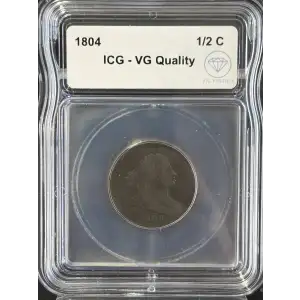
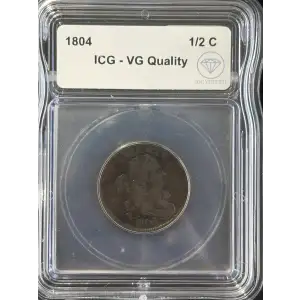 Read more about1804 Draped Bust Half Cents ICG VG Quality IDC Verified Crosslet 4 With Stems
A United States type coin collection brings together representative examples of different coin designs, denominations, or major design varieties.
Instead of collecting every date and mintmark in a series, a type collector may select one Draped Bust half cent, one Flying Eagle cent, one Indian Head cent, one Shield nickel, and other examples illustrating changes in American coinage.
Type collecting offers a way to explore the development of U.S. coin design, manufacturing technology, denominations, and monetary policy without necessarily completing every individual coin series.
Popular references include the Guide Book of United States Coins, commonly called the Red Book, and established type-set collecting systems.
Early copper coinage is a foundational area of American numismatics. The United States Mint produced half cents from 1793 to 1857 and large cents from 1793 to 1857.
These coins are substantially larger than modern Lincoln cents and reflect the design and manufacturing practices of early American coinage.
Early copper coins featuring the Draped Bust Liberty design, issued from 1800 through 1808.
Produced from 1809 through 1836, these coins represent another distinctive early copper design.
Issued beginning in 1816, these large copper cents include collectible design and die varieties.
The final major large-cent design type, produced from 1839 through 1857.
Collectors examine early copper for surface originality, corrosion, scratches, cleaning, strike quality, and identifiable die varieties.
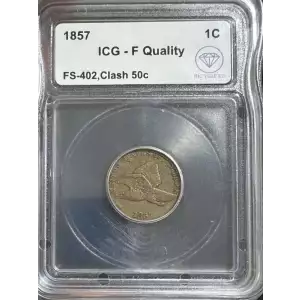
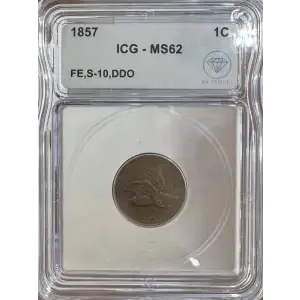
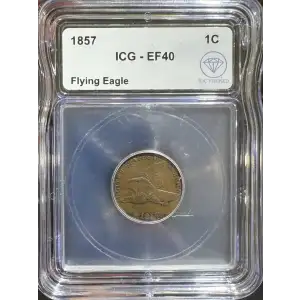
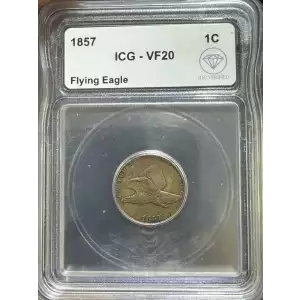
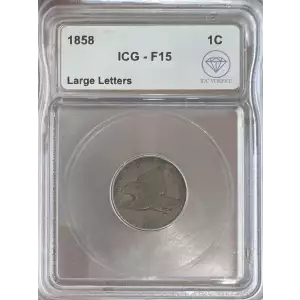
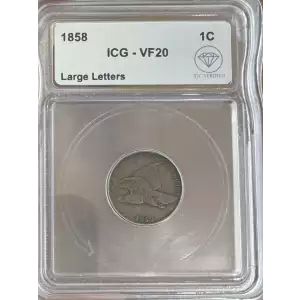
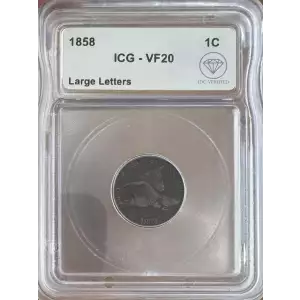
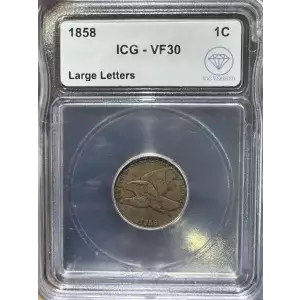
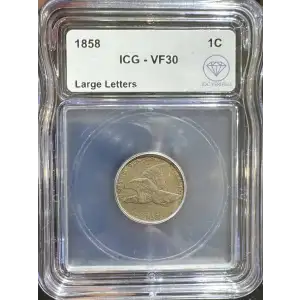
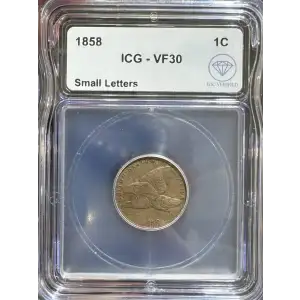
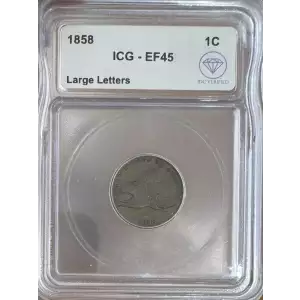
The Flying Eagle cent marked the transition from the traditional large cent to a smaller cent format.
Regular circulation production began in 1857, following limited 1856 pattern production. The Flying Eagle design is popular among collectors building 19th-century type sets.
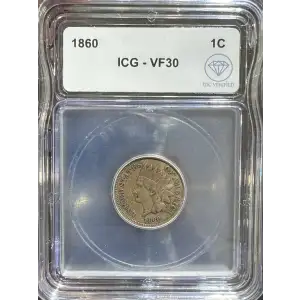
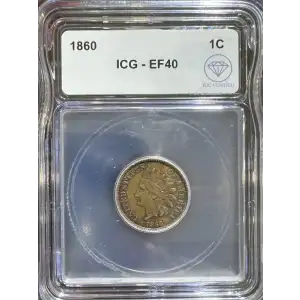
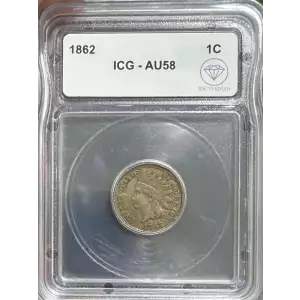
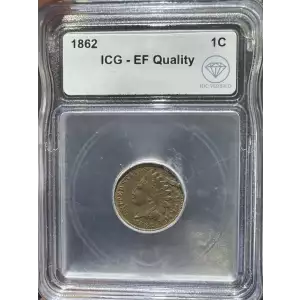
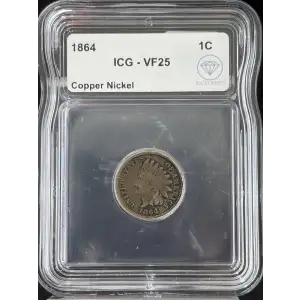
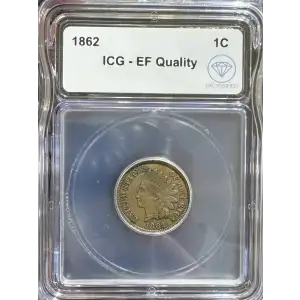
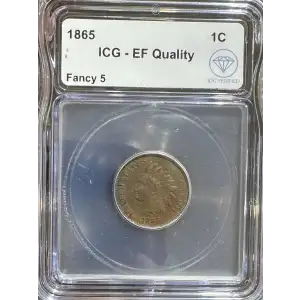
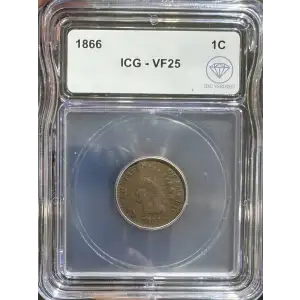
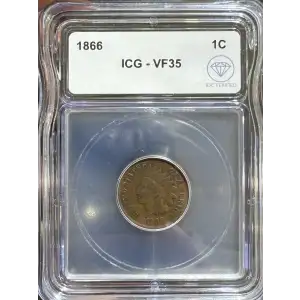
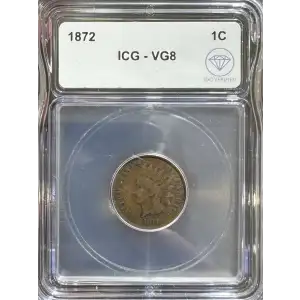
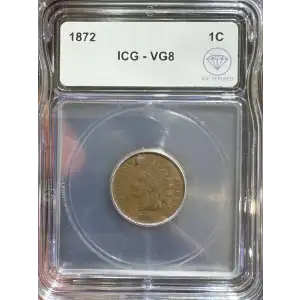
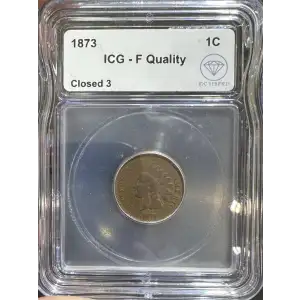
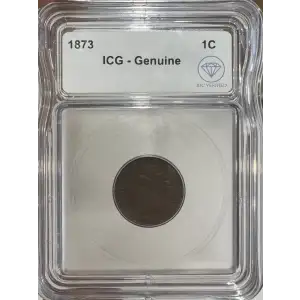
The Indian Head cent, designed by James B. Longacre, replaced the Flying Eagle cent in 1859 and remained in production through 1909.
The series includes important design and composition changes, better dates, and varieties such as the 1873 Open 3 and Closed 3.
Collectors often pursue Indian Head cents by date and mintmark, certified grade, or major variety.
Introduced in 1909, the Lincoln cent is one of America's longest-running coin series.
The original Wheat Ears reverse was used from 1909 through 1958. The Lincoln Memorial reverse followed in 1959 and continued through 2008, with four bicentennial reverse designs appearing in 2009.
Lincoln cent collectors study key dates, mintmarks, doubled dies, repunched mintmarks, composition changes, and copper color designations.
A famous Lincoln Wheat cent key date bearing Victor David Brenner's initials on the reverse.
A major Denver-mint key date in the Lincoln Wheat cent series.
A recognized variety associated with die deterioration at the Denver Mint.
One of the best-known doubled die varieties in American coin collecting.
A 1955 cent is not automatically a doubled die, and a 1922-D cent is not automatically a No D variety. Exact attribution matters.
Nickel collecting provides a broad range of design types, historical periods, and recognized varieties.
| Series | Years | Collecting Interest |
|---|---|---|
| Shield Nickel | 1866–1883 | First five-cent nickel series; collectible rays and no-rays reverse types. |
| Liberty Head Nickel | 1883–1913 | Includes 1883 No CENTS and With CENTS designs and major key dates. |
| Buffalo Nickel | 1913–1938 | Popular American design with important dates, varieties, and strike differences. |
| Jefferson Nickel | 1938–present | Includes wartime silver issues, Full Steps collecting, and modern varieties. |
Buffalo nickel specialists pursue varieties such as the 1913 Type 1 and Type 2 reverse designs, the 1918/7-D overdate, and the 1937-D Three-Legged Buffalo nickel.
Because certain varieties are valuable, buyers should confirm attribution and examine the certification information when available.
The United States once issued several denominations no longer used in everyday commerce.
Issued from 1864 through 1873, these bronze coins are notable for introducing the motto IN GOD WE TRUST to circulating U.S. coinage.
Produced from 1865 through 1889, these copper-nickel coins feature Liberty on the obverse and a Roman numeral III on the reverse.
A broader U.S. type set may also include the three-cent silver series, which was produced from 1851 through 1873.
These obsolete denominations are particularly appealing to collectors interested in unusual American coinage.
Not every collectible numismatic item is a regular-issue United States coin.
Colonial and early state coinage can reflect monetary practices before and shortly after the establishment of the U.S. Mint.
Civil War tokens circulated as substitutes for scarce small change during the American Civil War. They include patriotic designs and merchant advertising tokens.
Medallic pieces, restrikes, replicas, and fantasy coinage require careful identification. Some were produced long after the historical periods they depict.
Many coins in this category are certified by third-party grading services, including PCGS, NGC, ICG, and ANACS.
Certified coins may receive numerical grades based on the Sheldon 70-point scale. Some coins receive Details or Genuine designations because of surface problems or other characteristics.
| Grade | General Description |
|---|---|
| AG-3 | About Good; heavily worn but identifiable. |
| G-4 to G-6 | Good; extensive circulation wear. |
| VG-8 to VG-10 | Very Good; major design features remain visible. |
| F-12 to F-15 | Fine; moderate to considerable wear. |
| VF-20 to VF-35 | Very Fine; moderate wear with stronger detail. |
| XF-40 to XF-45 | Extremely Fine; light wear on high points. |
| AU-50 to AU-58 | About Uncirculated; slight traces of wear. |
| MS-60 to MS-70 | Mint State; no circulation wear, with varying preservation. |
IDC Verified identifies eligible coins participating in IDC's numismatic verification program, which incorporates independent grading through Independent Coin Graders (ICG).
Collectors should examine each coin's actual holder, assigned grade, certification number, and any condition or variety notation.
A coin's age alone does not establish its market value.
Certain issues have lower surviving populations or stronger collector demand.
Wear, corrosion, cleaning, damage, and natural surfaces affect desirability.
Doubled dies, overdates, repunched mintmarks, and other recognized varieties may attract specialists.
Collector interest, certified populations, and comparable sales influence market prices.
Compare coins with matching dates, mintmarks, varieties, grades, and condition characteristics rather than relying only on published price-guide estimates.
A practical starting point is to select one representative coin from each major design or denomination.
Some collectors focus on affordable circulated examples, while others pursue certified coins in a consistent grade range.
A themed collection might focus on 19th-century copper, obsolete denominations, Buffalo nickels, Civil War-era coinage, or famous varieties.
Before buying, identify the exact type and verify that it fits your collecting goals. For valuable or frequently counterfeited pieces, third-party authentication can be especially useful.
IDC Coin & Bullion, part of International Diamond Center, is headquartered in Clearwater, Florida.
IDC operates 11 retail locations across Florida and Georgia and offers collectible coins nationwide through its online store.
Collectors throughout Clearwater, Tampa, St. Petersburg, Largo, Dunedin, Palm Harbor, Safety Harbor, Oldsmar, and surrounding Tampa Bay communities can contact IDC about historic U.S. coins, certified type coins, and numismatic collections.
Have old cents, nickels, unusual denominations, or a larger coin collection to sell? IDC considers qualifying coins and collections for purchase.
A representative coin from a particular denomination, design, or major design type in United States coinage.
A collection assembled to represent different coin designs or denominations rather than every date and mintmark in a single series.
A historic U.S. coin worth one-half of one cent, produced from 1793 through 1857.
Large cents were last produced in 1857, when the Mint transitioned to the smaller cent format.
An early small-cent design associated with 1856 pattern coinage and regular issues from 1857 through 1858.
Some dates and varieties are scarce, while others remain relatively accessible. Value depends on the exact issue and condition.
The first regular five-cent coin made from copper-nickel alloy, introduced in 1866.
A U.S. three-cent coin made from copper-nickel alloy and issued from 1865 through 1889.
They are an obsolete U.S. denomination and were the first circulating U.S. coins to bear the motto IN GOD WE TRUST.
Privately issued tokens used during the Civil War era when official small change was scarce.
A coin struck from a die displaying doubled design elements caused during the die-making process.
These are grading-service color designations describing the remaining original red color on eligible copper coins.
No. Rarity, condition, demand, and exact variety generally matter more than age alone.
It indicates authentication, but the coin may not have received a straight numerical grade.
An IDC numismatic verification program for eligible participating coins, incorporating independent grading through ICG.
Yes. IDC offers historic cents, nickels, obsolete denominations, tokens, and other collectible coins through its online catalog. Inventory varies.
IDC considers qualifying historic coins and numismatic collections for purchase. Contact the team about your specific items.
IDC Coin & Bullion is headquartered in Clearwater, Florida, and offers collectible U.S. type coins through its online store.
Explore early American copper, collectible cents and nickels, obsolete denominations, Civil War tokens, and certified type coins.
Browse available inventory online or contact IDC about a collection you are considering selling.