


IDC Coin & Bullion | Copper Bullion Guide
What Is Copper Bullion?
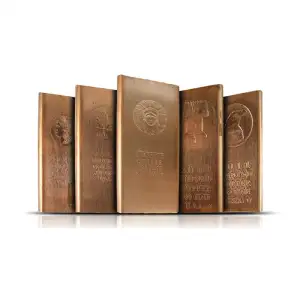
Copper bullion includes physical copper bars, rounds, and specialty pieces produced for metal buyers and collectors. Explore common designs, weights, purity markings, retail premiums, and practical buying considerations.
Copper is primarily an industrial base metal, unlike precious metals such as gold, silver, platinum, and palladium. Its bullion products often appeal to buyers who enjoy classic coin-inspired artwork, decorative bars, historical themes, and alternative metal collecting.
Many copper bullion products are privately minted. Their retail prices may reflect fabrication, packaging, distribution, and collectible demand in addition to the underlying copper content.
Copper Bars & Rounds
Explore Popular Copper Bullion Products
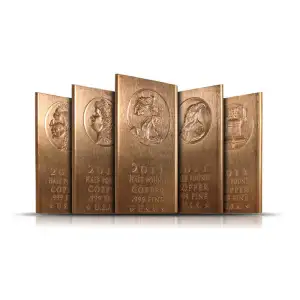
From one-ounce collectible rounds to substantial copper bars, products vary in size, artwork, manufacturer, and finish.
One-Ounce Copper Rounds
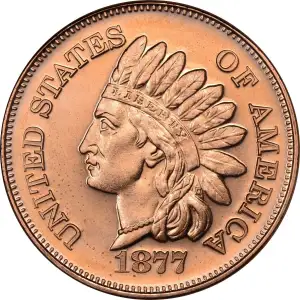
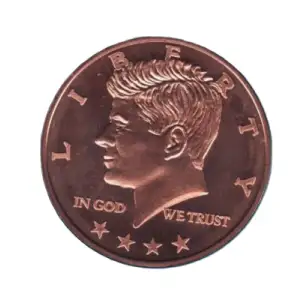
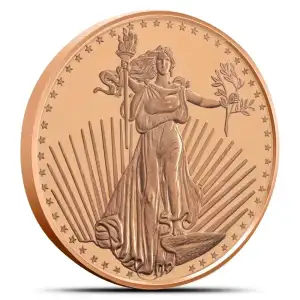
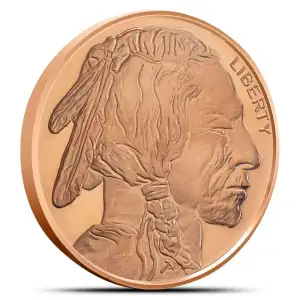
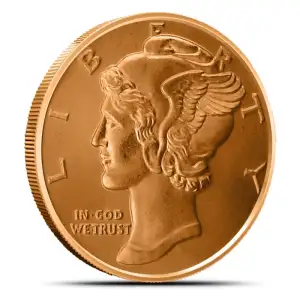
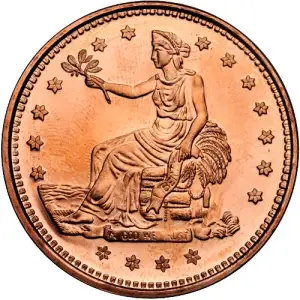
Privately minted rounds often feature Buffalo, Indian Head, Walking Liberty, Mercury Dime, and Trade Dollar themes. Most are not legal-tender coins, even when they resemble historic U.S. coinage.
Buffalo Copper Rounds
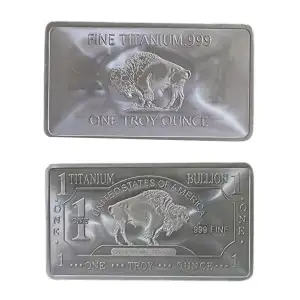
Buffalo-themed copper rounds draw inspiration from the Buffalo nickel, issued from 1913 through 1938. Their familiar American imagery makes them popular decorative and collectible pieces.
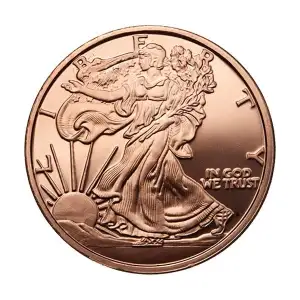
Walking Liberty Copper Rounds
These rounds feature designs inspired by Adolph A. Weinman's Walking Liberty half dollar, issued from 1916 through 1947. They combine recognizable numismatic artwork with modern copper minting.
Indian Head & Mercury Dime Rounds
Indian Head and Mercury Dime-inspired designs reproduce classic American coin imagery in copper. They are generally privately minted collectibles rather than original circulating coins.
Half-Pound Copper Bars
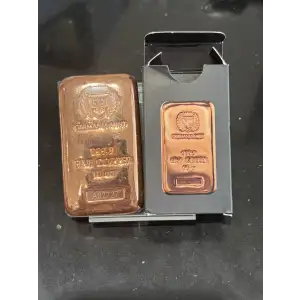
Half-pound bars provide a larger display format than individual rounds. Verify whether a product uses avoirdupois or another weight convention, and check its stated purity and manufacturer.
One-Pound Copper Bars
One avoirdupois pound equals approximately 453.59 grams. One-pound copper bars may feature stamped weights, manufacturer identification, or decorative designs.
Two-Pound Copper Bars
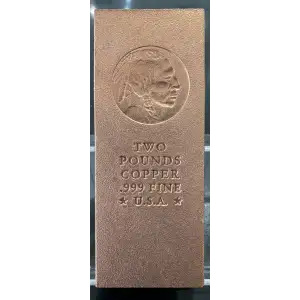
Two-pound bars offer a substantial physical format. Designs may include Buffalo imagery and other commemorative artwork. Premiums per unit of copper vary by product and seller.
Ten-Ounce Copper Bars
Ten-ounce bars offer another collectible format. Some products are made by private mints, including Germania Mint. Always confirm the exact weight standard, fineness, and manufacturer.
Commemorative & Specialty Copper
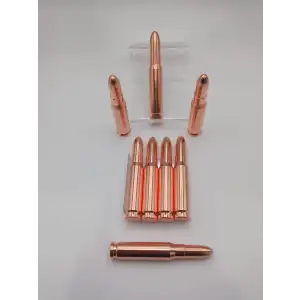
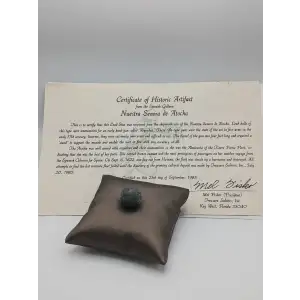
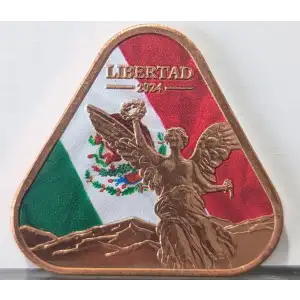
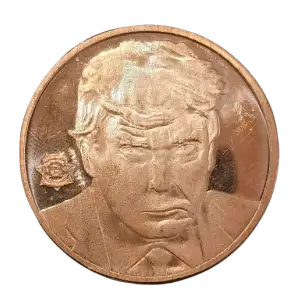
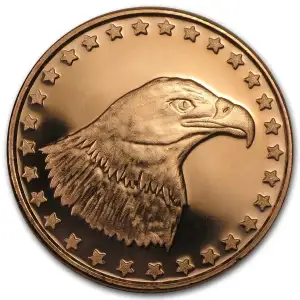
Specialty pieces can feature historical subjects, wildlife, commemorative themes, political figures, and unusual shapes. Collectible appeal may matter more than underlying metal value.
Weight & Specifications
Understanding Copper Bullion Weights
Copper bullion can be marketed in grams, troy ounces, avoirdupois ounces, or pounds. These units are not interchangeable.
| Weight | Approximate Grams | Important Note |
|---|---|---|
| 1 troy ounce | 31.1035 g | Common precious-metal bullion unit |
| 1 avoirdupois ounce | 28.3495 g | Standard U.S. weight ounce |
| 1/2 avoirdupois pound | 226.80 g | 8 avoirdupois ounces |
| 1 avoirdupois pound | 453.59 g | 16 avoirdupois ounces |
| 2 avoirdupois pounds | 907.18 g | 32 avoirdupois ounces |
Metal Purity
What Does .999 Fine Copper Mean?
Copper fineness describes the proportion of copper in a metal product by weight.
.999 Fine Copper
A product marked .999 fine copper contains 99.9% copper by weight.
.9999 Fine Copper
A product marked .9999 fine copper contains 99.99% copper by weight.
Not every copper collectible has identical purity. Review each product listing for composition, manufacturer markings, and stated specifications.
Pricing & Premiums
How Is Copper Bullion Priced?
Copper trades as an industrial commodity, but the price of a finished copper round or bar may be substantially higher than the value of its copper content.
Copper Commodity Value
Commodity copper is commonly quoted per pound or metric ton. The value of a copper bar's metal content depends on its weight, purity, and the relevant market price.
Retail Premiums
Minting, fabrication, packaging, shipping, distribution, artwork, and collectible demand may all contribute to a finished copper product's retail price.
How to Estimate Copper Melt Value
Approximate metal value = pure copper weight in pounds × copper price per pound.
For example, a one-pound bar containing .999 fine copper has approximately 0.999 pounds of pure copper. This calculation estimates its copper content value, not its retail or resale price.
Industrial Demand
Why Is Copper an Important Industrial Metal?
Copper's electrical conductivity, thermal conductivity, corrosion resistance, and workability make it essential across many industries.
Power & Infrastructure
Copper is widely used in wiring, transformers, power distribution, electrical equipment, and other infrastructure.
Renewable Energy & Transportation
Wind turbines, solar installations, electric vehicles, and transmission systems use copper-containing components. Electrification can influence industrial demand.
Data Centers
Data centers use copper in electrical distribution, cooling equipment, and some communications infrastructure. Expansion may increase demand for copper-containing equipment.
Industrial demand is only one factor affecting copper prices. Supply, inventories, economic activity, and market conditions can also influence the commodity.
Comparing Metals
Copper Bullion vs. Copper Coins, Gold & Silver
Understanding the differences between these collecting and metal categories can help buyers choose products that fit their interests.
Copper Bullion vs. Historic Copper Coins
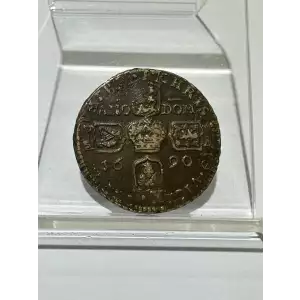
Privately minted copper rounds are generally manufactured for collectors and physical-metal buyers. Historic copper coins were issued as money and may have numismatic value based on rarity, condition, date, mintmark, and history.
Examples of collectible U.S. copper coinage include Large Cents, Half Cents, Indian Head Cents, and early Lincoln Cents.
Copper vs. Gold & Silver
Copper is primarily an industrial base metal. Gold and silver are precious metals used in bullion, coinage, jewelry, technology, and other applications.
Copper has a much lower value per unit of weight, so shipping, storage, and resale costs can represent a greater portion of its value.
Buyer Considerations
Is Copper Bullion a Good Investment?
Copper is an important industrial commodity, but purchasing retail copper bullion is different from gaining direct exposure to commodity copper prices.
Fabrication premiums, shipping costs, storage requirements, and resale spreads can significantly affect the economics of owning physical copper bullion.
Many decorative copper bars and rounds are better evaluated as physical collectibles than as low-premium commodity investments. Copper prices can rise or fall, and ownership does not guarantee appreciation or profitable resale.
Collecting & Preservation
How to Store Copper Bars and Rounds
Copper reacts naturally with its environment and may develop toning or patina over time.
Keep It Dry
Use a dry, stable storage environment to help limit unwanted environmental exposure.
Use Suitable Holders
Protective capsules, suitable sleeves, and archival storage materials can help preserve collectible surfaces.
Avoid Abrasive Cleaning
Unnecessary handling, abrasive cleaning, or polishing can change the original finish of collectible copper pieces.
Shop IDC Coin & Bullion
Why Buy Copper Bullion from IDC?
IDC Coin & Bullion offers copper bars, rounds, and specialty collectibles alongside its broader precious metals and numismatic inventory.
Explore classic American coin-inspired designs, decorative copper bars, and unusual collectible metal products. Available products and inventory can change.
IDC serves online buyers nationally and operates 11 retail locations throughout Florida and Georgia, with headquarters in Clearwater, Florida. Contact your preferred location to confirm availability before visiting.
Frequently Asked Questions
Copper Bullion FAQs
What is copper bullion?
Copper bullion includes physical copper products such as bars, rounds, and specialty collectibles, often manufactured by private mints.
Is copper considered a precious metal?
No. Copper is generally classified as an industrial base metal, although it has a long history of monetary and decorative use.
Are copper rounds legal-tender coins?
Most privately minted copper bullion rounds are not legal tender. Designs inspired by historic coins do not automatically make them official currency.
How much does a one-ounce copper round weigh?
It depends on the manufacturer's weight standard. One troy ounce is approximately 31.1035 grams, while one avoirdupois ounce is approximately 28.3495 grams.
What does .999 fine copper mean?
It means the product contains 99.9% copper by weight.
Are copper bars worth more than their metal value?
Retail copper bars and rounds often sell above their underlying metal value because of fabrication, distribution, and collectible premiums.
Does copper tarnish over time?
Yes. Copper can develop toning or patina when exposed to environmental conditions. Appropriate storage can help preserve collectible surfaces.
Can I sell copper bullion to IDC?
IDC purchases various coins, bullion, and collectible items. Acceptance of specific copper products should be confirmed before visiting. Learn more on our Sell to Us page.
Can I buy copper bullion online?
Browse the IDC Copper Bullion category for current listings and product details.
