Buying Gold and Silver Bullion: A Complete Guide to Precious Metals
Buying physical gold, silver, platinum, and palladium is one way to own tangible precious metals. Whether you're purchasing your first American Silver Eagle, comparing one-ounce gold bars, or expanding an established bullion collection, understanding how precious metals are priced and traded can help you make informed decisions.
But what exactly is bullion? Are gold coins better than gold bars? What is the difference between the spot price and the price you actually pay? And where can you buy or sell precious metals with confidence?
Bullion is physical metal valued primarily for its precious metal content. The most common forms are coins, bars, and rounds. Buyers should compare purity, actual precious metal weight, dealer premiums, product recognition, and potential resale value before making a purchase.
At IDC Coin & Bullion, a division of International Diamond Center headquartered in Clearwater, Florida, we serve precious metals buyers and collectors through our national online store and a network of 11 retail locations throughout Florida and Georgia.
This guide explains the fundamentals of buying and selling bullion, compares the major precious metals, and outlines what to consider when selecting a bullion dealer.
What Is Bullion?
Bullion refers to precious metals manufactured and traded primarily for their metal content rather than their collectible rarity or legal-tender face value.
Gold, silver, platinum, and palladium are the principal precious metals traded as physical investment bullion. Copper bars and rounds are also marketed as bullion products, although their economics and resale markets differ substantially from those of precious metals.
Bullion is commonly available in three forms:
- Bullion coins: Government-issued precious metal coins, often with official denominations and legal-tender status.
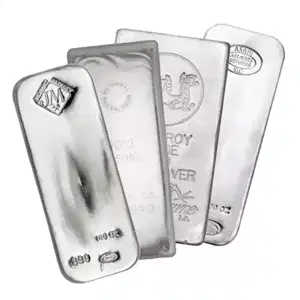
- Bullion bars: Rectangular or cast precious metal products manufactured by government mints or private refiners.
- Bullion rounds: Privately manufactured, coin-shaped pieces that generally have no legal-tender status.
Unlike collectible rare coins, standard bullion products generally derive most of their market value from the quantity and type of precious metal they contain.
However, some bullion coins and vintage bars can also carry collectible premiums based on rarity, manufacturer, condition, design, or historical significance.
What Types of Bullion Can You Buy?
Different precious metals have different supply characteristics, industrial applications, investment demand, and retail markets.
Understanding these differences can help buyers choose products appropriate for their interests and purchasing objectives.
Gold Bullion
Gold has been used as a store of wealth, monetary metal, and material for coinage for thousands of years. Today, physical gold bullion is available in government-issued coins, privately refined bars, and specialized collectible products.
Popular gold bullion coins include:
- American Gold Eagle
- American Gold Buffalo
- Canadian Gold Maple Leaf
- South African Gold Krugerrand
- British Gold Britannia
- Austrian Gold Philharmonic
Gold bullion bars are available in gram-denominated, fractional-ounce, one-ounce, and larger sizes. Recognized refiners include PAMP Suisse, Valcambi, Argor-Heraeus, and other established manufacturers.
Buyers often evaluate gold bullion based on its fine gold content, purity, manufacturer, premium over spot, and potential resale market.
Explore gold bullion: Shop Gold Coins and Bars at IDC Coin & Bullion.
Silver Bullion
Silver is widely traded as both a precious metal and an industrial commodity. Physical silver bullion is available in government-issued coins, private-mint rounds, cast bars, and collectible vintage products.
Popular silver bullion products include:
- American Silver Eagles
- Canadian Silver Maple Leafs
- British Silver Britannias
- One-ounce silver rounds
- 10 oz silver bars
- 100 oz silver bars
- Vintage Engelhard and Johnson Matthey silver bars
Silver typically has a lower price per troy ounce than gold, making smaller individual purchases more accessible. However, silver is less valuable per unit of weight, so larger holdings can require substantially more storage space.
Silver bullion can also appeal to numismatic collectors interested in vintage refiners, unusual designs, and limited-production issues.
Explore silver bullion: Shop Silver Coins, Bars, and Rounds.
Platinum Bullion
Platinum is a dense, silver-white precious metal with significant industrial applications, including automotive emissions-control systems, chemical processing, and manufacturing.
Physical platinum bullion products include American Platinum Eagles, Canadian Platinum Maple Leafs, British Platinum Britannias, and platinum bars from recognized refiners.
Many modern platinum bullion products contain .9995 fine platinum, although specifications vary by manufacturer and issue.
Platinum prices respond to industrial demand, mining supply, investment activity, and broader economic conditions. Platinum does not always trade above the price of gold.
Explore platinum bullion: Shop Platinum Coins and Bars.
Palladium Bullion
Palladium belongs to the platinum-group metals and has important industrial uses, particularly in automotive catalytic converters.
Recognized palladium bullion products include the American Palladium Eagle, Canadian Palladium Maple Leaf, and privately manufactured palladium bars.
Many modern palladium bullion products contain .9995 fine palladium.
The physical palladium market is generally smaller than the gold and silver bullion markets. Retail availability, dealer premiums, and bid-ask spreads can vary significantly.
Explore palladium bullion: Shop Palladium Coins and Bars.
Copper Bullion
Copper rounds and bars are popular among collectors interested in industrial metals, commemorative designs, and affordable physical metal products.
Unlike gold and silver, copper products often carry substantial manufacturing and distribution premiums compared with the value of the copper itself.
For this reason, copper rounds and bars are frequently better understood as collectible products rather than efficient vehicles for acquiring copper at prices close to its commodity value.
Explore copper bullion: Browse IDC's Bullion Categories.
Bullion Coins vs. Bars vs. Rounds: Which Should You Buy?
One of the most common questions from first-time precious metals buyers is whether coins, bars, or rounds are the better purchase.
There is no universal answer. Each format offers different advantages depending on your priorities.
| Feature | Bullion Coins | Bullion Bars | Bullion Rounds |
|---|---|---|---|
| Manufacturer | Government mint | Government or private refiner | Usually private mint |
| Legal tender | Generally yes | No | No |
| Typical premiums | Often higher | Can be lower in larger sizes | Often competitive |
| Common sizes | Fractional and 1 oz | Grams to large bars | 1 oz and larger |
| Recognition | Strong for popular issues | Depends on refiner | Depends on manufacturer |
| Collectible appeal | Varies by issue | Vintage bars may carry premiums | Designs and limited issues |
Key takeaway: Government-issued bullion coins can offer broad recognition, while bars and privately minted rounds may provide lower premiums for buyers focused primarily on metal content. Compare actual prices and dealer buyback terms rather than assuming one format is always cheaper.
What Is the Spot Price of Gold and Silver?
The spot price is the quoted market price for a precious metal, generally expressed per troy ounce.
Gold, silver, platinum, and palladium each have their own market price, which changes as global trading conditions evolve.
Spot prices reflect factors such as market supply and demand, currency movements, interest-rate expectations, industrial consumption, and investment activity.
However, the spot price is not necessarily the price you will pay for a physical bullion coin or bar.
What Is a Bullion Premium?
A bullion premium is the amount charged above the metal's underlying spot value.
Premiums may reflect:
- Minting and refining costs
- Wholesale distribution
- Dealer operating costs
- Product demand and availability
- Manufacturer recognition
- Coin condition and collectible characteristics
- Product size and packaging
For example, if the spot price of silver were hypothetically $40 per troy ounce and a one-ounce silver round sold for $44, the premium would be $4, or 10% above spot.
This is an illustrative calculation, not a current silver price quotation.
When buying bullion, compare the final price per fine troy ounce, including applicable shipping charges, taxes, and payment-method costs.
What Is a Troy Ounce?
Precious metals are commonly measured in troy ounces rather than standard household ounces.
- 1 troy ounce: Approximately 31.1035 grams
- 1 standard ounce: Approximately 28.3495 grams
- 1 kilogram: Approximately 32.1507 troy ounces
A troy ounce is approximately 9.7% heavier than a standard ounce.
Understanding this distinction is important when comparing bullion weights, prices, and precious metal content.
Understanding Gold and Silver Purity
Bullion purity describes the proportion of precious metal contained in a product.
Common precious metal fineness markings include:
- .9999 fine: 99.99% purity
- .999 fine: 99.9% purity
- .9995 fine: 99.95% purity
- .9167 fine: Approximately 91.67% purity, commonly associated with 22-karat gold
For example, the one-ounce American Gold Eagle contains one full troy ounce of pure gold even though it is manufactured from a 22-karat gold alloy.
The one-ounce American Gold Buffalo contains one troy ounce of .9999 fine gold.
Both contain the same stated amount of pure gold, but the Gold Eagle weighs more overall because it includes additional alloy metals.
For a more detailed comparison, read our American Gold Eagle vs. American Gold Buffalo guide.
Is It Better to Buy Gold or Silver Bullion?
Gold and silver serve different roles in the physical precious metals market.
Gold has a long history as a monetary asset and generally offers a higher value relative to its physical size and weight.
Silver is widely used in industrial applications and offers a lower purchase price per ounce, but its price can experience substantial volatility.
| Consideration | Gold Bullion | Silver Bullion |
|---|---|---|
| Price per ounce | Generally higher | Generally lower |
| Storage efficiency | High value in a small space | Requires more space for equivalent value |
| Industrial demand | Present but less dominant | Significant |
| Popular products | Gold Eagles, Buffalos, bars | Silver Eagles, rounds, bars |
| Retail market | Established worldwide | Established worldwide |
Neither metal is automatically the better investment. Their prices, premiums, and resale conditions change over time.
How to Buy Bullion for the First Time
If you're new to buying physical precious metals, a systematic approach can help you avoid common mistakes.
1. Decide Which Precious Metal Interests You
Compare gold, silver, platinum, and palladium based on your purchasing budget, market understanding, and preferred products.
2. Choose Between Coins, Bars, and Rounds
Government-issued coins may appeal to buyers who prioritize recognition, while bars and rounds can be attractive when comparing premiums.
3. Compare Premiums Over Spot
Look beyond the spot price and calculate the total amount you will pay for the precious metal content of each product.
4. Research the Mint or Refiner
Consider products from recognized government mints and established private refiners. Verify product specifications, packaging, and authenticity.
5. Understand the Resale Market
Before purchasing, consider whether the product is widely recognized and whether dealers actively buy that type of bullion.
6. Choose a Reputable Precious Metals Dealer
Review the dealer's reputation, pricing policies, payment methods, shipping procedures, and customer service options.
7. Plan for Secure Storage
Physical bullion requires appropriate storage and protection against theft, loss, and damage. Buyers should consider secure storage, insurance, and associated costs.
Can You Sell Gold and Silver Bullion Back to a Dealer?
Yes. Established precious metals dealers routinely purchase gold and silver bullion coins, bars, and rounds from customers.
However, the price a dealer offers to purchase bullion is not necessarily the same as the price charged to sell it.
This difference is known as the bid-ask spread.
A dealer's buying offer may depend on:
- Current precious metal spot prices
- Actual fine metal weight and purity
- Product recognition and authenticity
- Market demand and available inventory
- Condition and packaging
- Wholesale market liquidity
- Potential collectible or numismatic value
Some bullion products may also carry collectible premiums beyond their underlying metal content.
At IDC Coin & Bullion, customers can inquire about selling gold, silver, coins, bullion, and other eligible precious metal products.
Interested in selling? Learn More About Selling to IDC Coin & Bullion.
Is Physical Bullion a Good Investment?
Physical bullion provides direct ownership of tangible precious metals and may be used as part of a broader asset-diversification strategy.
Unlike stocks or bonds, physical bullion does not produce dividends or interest.
Its market value depends on precious metal prices, product premiums, and resale conditions.
Potential considerations include:
- Exposure to precious metal market prices
- Direct ownership of a physical asset
- Dealer premiums and bid-ask spreads
- Secure storage and insurance expenses
- Market volatility
- Potential tax consequences
- Liquidity and resale demand
Gold, silver, platinum, and palladium prices can decline as well as increase. Physical bullion is not guaranteed to appreciate or preserve purchasing power.
Buyers should evaluate their financial circumstances, objectives, and tolerance for risk before purchasing precious metals.
Where Can You Buy Gold and Silver Bullion Online?
Gold and silver bullion can be purchased through established online precious metals retailers, coin dealers, and other reputable sellers.
When selecting an online bullion dealer, consider the following:
- Clear product descriptions and metal specifications
- Transparent pricing and payment policies
- Authenticity and manufacturer information
- Shipping and insurance procedures
- Return and cancellation policies
- Customer support and dealer reputation
Buy Bullion Online at IDC Coin & Bullion
IDC Coin & Bullion offers a national online marketplace for precious metals buyers and numismatic collectors.
Our bullion department includes gold, silver, platinum, palladium, and copper products, with available inventory spanning government-issued coins, privately minted rounds, bars, and specialty collectibles.
Customers can compare available products by metal type, weight, manufacturer, purity, design, and price.
Browse the complete selection: Shop Gold, Silver, Platinum, Palladium, and Copper Bullion.
Product availability and pricing are subject to change with inventory and market conditions.
Where to Buy Gold and Silver Bullion in Clearwater, Florida
If you're searching for a gold and silver bullion dealer in Clearwater, Tampa, St. Petersburg, or the greater Tampa Bay area, IDC Coin & Bullion offers a local point of contact for precious metals and numismatic inquiries.
Our headquarters is located in Clearwater, Florida, and IDC operates as the coin and bullion division of International Diamond Center.
IDC Coin & Bullion – Clearwater
IDC Coin & BullionInternational Diamond Center
3696 Ulmerton Road
Clearwater, FL 33762
Phone: (727) 572-6323
Customers throughout Clearwater, Largo, Pinellas Park, St. Petersburg, Tampa, and surrounding communities can research precious metals through our online store and contact our Clearwater location regarding available services.
Whether you're interested in American Gold Eagles, American Silver Eagles, gold bars, silver rounds, or collectible coins, our team can help you explore your options.
Visit: IDC Coin & Bullion in Clearwater, Florida.
Buying and Selling Bullion Throughout Florida and Georgia
International Diamond Center operates 11 retail locations across Florida and Georgia, while IDC Coin & Bullion serves customers nationally through its e-commerce website.
Our retail network includes locations serving:
- Clearwater and the greater Tampa Bay area
- Tampa, Florida
- Altamonte Springs and the Orlando area
- Orlando Millenia and Orlando Waterford
- Lakeland, Florida
- Gainesville, Florida
- Sarasota, Florida
- Naples, Florida
- Port St. Lucie, Florida
- Savannah, Georgia
Our website allows customers across the United States to explore available bullion inventory without being limited to a particular retail market.
Online inventory and in-store availability may differ. Contact your preferred location before visiting to confirm bullion purchasing, selling, or evaluation services and specific product availability.
Find your nearest location: IDC Coin & Bullion Retail Locations.
Frequently Asked Questions About Buying and Selling Bullion
What is bullion?
Bullion is physical metal valued primarily for its metal content. Common precious metal bullion products include gold and silver coins, bars, and rounds, as well as platinum and palladium coins and bars.
What is the best bullion to buy for beginners?
Widely recognized products such as American Silver Eagles, American Gold Eagles, Canadian Maple Leafs, and bars from established refiners are common starting points. The best choice depends on budget, premiums, authenticity, and resale considerations.
Is it better to buy gold coins or gold bars?
Gold coins may offer strong recognition and government-mint backing, while gold bars can offer lower premiums per ounce, particularly in larger sizes. Neither is universally better.
What is the cheapest way to buy physical gold?
Buyers seeking low premiums often compare larger bars and widely traded bullion products. However, the lowest premium does not always produce the best overall outcome when resale spreads, shipping, storage, and liquidity are considered.
What does .999 fine silver mean?
.999 fine silver contains 99.9% silver by weight. A product marked .9999 fine contains 99.99% silver.
Why does bullion cost more than the spot price?
Retail bullion prices include premiums reflecting manufacturing, refining, distribution, dealer costs, and market demand. Premiums vary by product, weight, and availability.
Does a one-ounce gold coin contain one ounce of pure gold?
A bullion coin designated as containing one troy ounce of fine gold generally contains that stated amount, even when alloy metals are present. Always check the issuing mint's specifications.
Can I buy gold and silver bullion online?
Yes. Established precious metals dealers offer bullion online. IDC Coin & Bullion provides an online marketplace for gold, silver, platinum, palladium, and other bullion products at IDCCoin.com/bullion.
Can I sell gold and silver bullion to IDC Coin & Bullion?
Yes. IDC Coin & Bullion purchases various precious metals and collectible products. Offers depend on the item, authenticity, market conditions, and current buying terms. Visit our Sell to Us page for more information.
Where can I buy gold bullion near Clearwater, Florida?
IDC Coin & Bullion is headquartered at 3696 Ulmerton Road, Clearwater, FL 33762. Customers can browse available gold bullion online and contact the Clearwater location at (727) 572-6323 to inquire about local product availability.
Where can I sell silver coins and bullion near Tampa Bay?
IDC Coin & Bullion serves the greater Tampa Bay region through its Clearwater headquarters and nearby retail network. Contact the preferred location to confirm silver bullion purchasing services and evaluation availability.
Does IDC Coin & Bullion ship precious metals nationwide?
IDC Coin & Bullion operates a national online precious metals marketplace serving customers throughout the United States, subject to applicable shipping, payment, and order policies.
Is buying physical bullion risk-free?
No. Precious metal prices fluctuate, and physical bullion involves premiums, resale spreads, storage considerations, and other potential costs. There is no guarantee of appreciation.
Buy and Sell Precious Metals With IDC Coin & Bullion
Whether you're buying your first silver coin, comparing one-ounce gold bars, researching platinum and palladium, or considering selling an existing bullion collection, understanding precious metal markets is an important first step.
At IDC Coin & Bullion, a division of International Diamond Center, we connect collectors, investors, and precious metals sellers with the bullion market through our Clearwater headquarters, 11-location retail network, and nationwide online store.
Explore our current bullion inventory, learn about selling precious metals, or find an IDC retail location today.
Shop Bullion Online | Sell Precious Metals | Find an IDC Location