What Are Collector Coins?
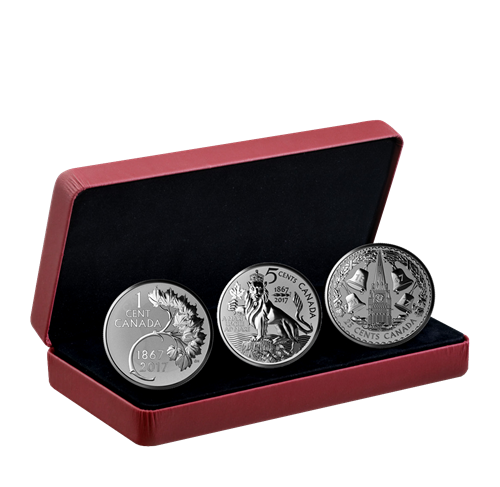
Collector coins are coins acquired for their historical significance, design, rarity, condition, precious metal content, or numismatic interest. They can include historic circulation coins, commemoratives, proofs, certified coins, and unusual varieties.
Coin collecting is part of numismatics, the study of coins, currency, medals, tokens, and related monetary objects. Collectors may specialize in a particular denomination, country, historical period, mint, design, or coin series.
Some collectible coins contain gold, silver, platinum, or palladium. Others are made from copper, nickel, or other alloys and are valued primarily for their numismatic characteristics rather than precious metal content.
Types of Collectible Coins
Historic United States Coins
Historic U.S. coins provide a tangible connection to American monetary history. Popular collecting areas include early copper cents, Liberty Seated coinage, Barber coins, Indian Head gold, Morgan and Peace silver dollars, and Saint-Gaudens Double Eagles.
Collectors often organize historic American coins by denomination, design type, date, mintmark, and condition.
World and Foreign Collector Coins
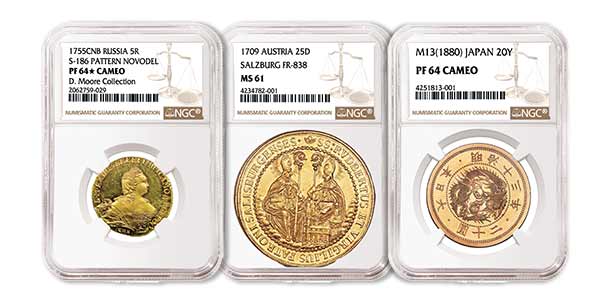
World coin collecting encompasses coins issued by countries and monetary authorities outside the United States. These include historic European gold coins, British sovereigns, Mexican silver coinage, Chinese Pandas, Australian commemoratives, and many other issues.
World coins allow collectors to explore different monetary systems, national designs, historical events, and minting traditions.
Certified and Graded Coins
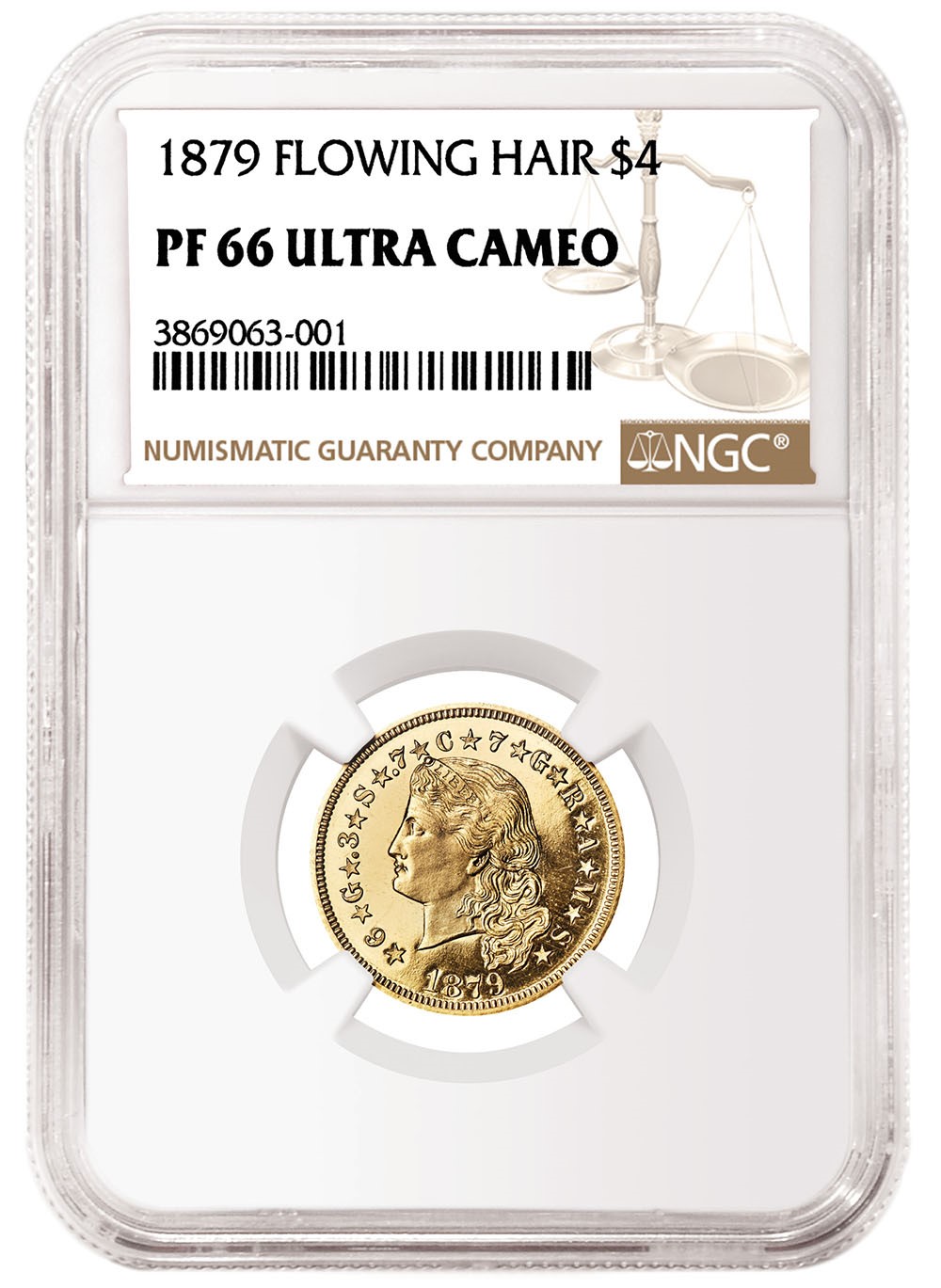
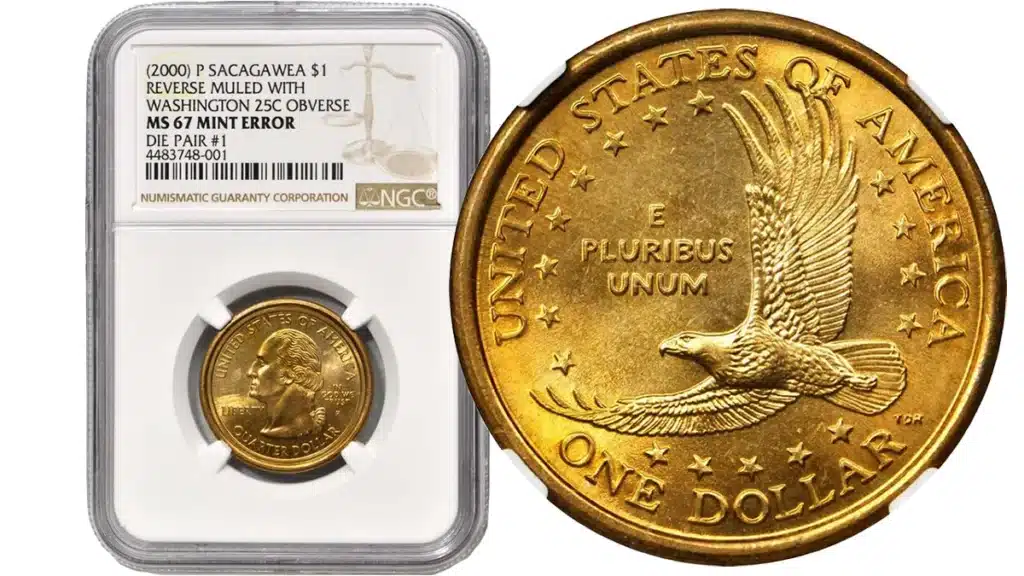
Professionally certified coins have been examined by a third-party grading service. Common grading services include PCGS, NGC, ANACS, and ICG.
Certified holders typically identify the coin's date, denomination, grade, and certification number. Some also include recognized varieties, special designations, or historical provenance.
Proof and Commemorative Coins
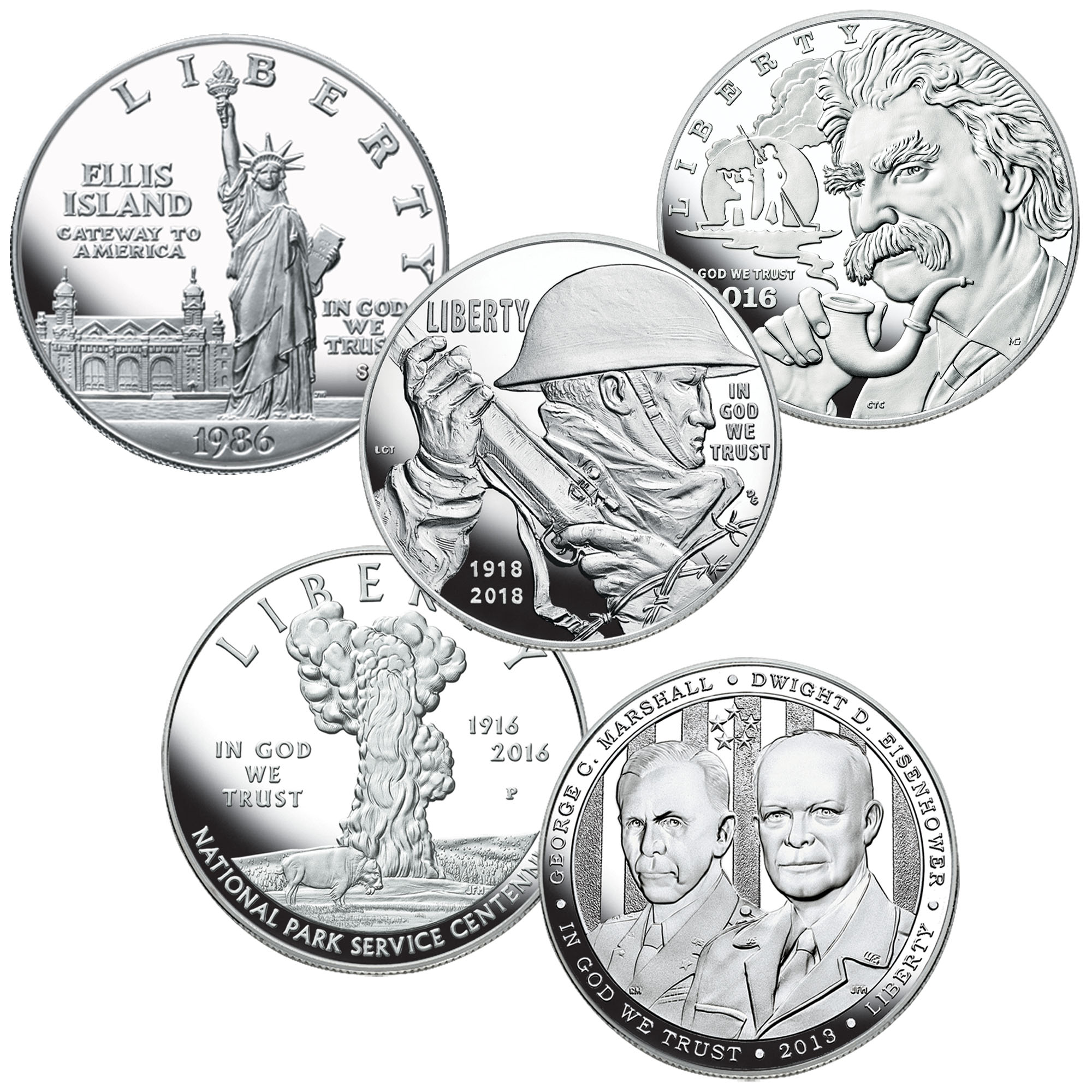
Proof coins are produced using specialized minting methods and are often intended for collectors. Commemorative coins celebrate significant events, individuals, institutions, and anniversaries.
Collector issues may feature limited mintages, special finishes, original mint packaging, or certificates of authenticity.
Type Coins and Numismatic Varieties
A type coin represents a particular design or denomination within a broader collection. Type collecting allows collectors to study changing coin designs without acquiring every date in a series.
Some collectors also specialize in varieties, including overdates, doubled dies, repunched mintmarks, and other recognized die characteristics.
Collector Coins vs. Bullion Coins
Although some coins appeal to both groups, numismatic collecting and precious metal bullion purchasing emphasize different characteristics.
| Characteristic | Collector Coins | Bullion Coins |
|---|---|---|
| Primary appeal | History, rarity, design, condition | Precious metal content |
| Typical selection criteria | Date, mintmark, grade, variety | Metal, weight, purity, premium |
| Certification | Often relevant | Optional, depending on product |
| Value considerations | Numismatic demand and applicable metal value | Metal value and market premium |
| Examples | Barber half dollars, rare Double Eagles | Common bullion Gold Eagles and Silver Eagles |
A bullion coin can also become collectible because of its date, finish, variety, grade, or scarcity. These categories are not mutually exclusive.
How Are Collector Coins Graded?
Coin grading evaluates a coin's state of preservation. Many U.S. and world coins are graded using the 70-point Sheldon scale, with grades ranging from Poor-1 through Mint State-70 or Proof-70.
| Grade | General Description |
|---|---|
| G-4 | Good; substantial circulation wear |
| VG-8 | Very Good; major details remain visible |
| F-12 | Fine; moderate to considerable wear |
| VF-20 | Very Fine; moderate wear |
| XF-40 | Extremely Fine; light wear |
| AU-50 | About Uncirculated; slight wear |
| MS-63 | Mint State; no circulation wear, with noticeable marks |
| MS-65 | Mint State; above-average preservation |
| MS-70 | Highest numerical Mint State grade |
| PF-70 / PR-70 | Highest numerical Proof grade |
Grades are professional opinions and should be considered alongside originality, eye appeal, rarity, and market demand. Coins described as cleaned, damaged, or details-graded may have different market characteristics from straight-graded examples.
What Makes a Collector Coin Valuable?
The market value of a collectible coin can depend on several factors:
- Rarity: How difficult the issue is to obtain.
- Date and mintmark: Certain production years and mint facilities are especially desirable.
- Condition: Preservation, originality, and eye appeal.
- Collector demand: Interest in particular coin series and varieties.
- Precious metal content: Gold, silver, platinum, or palladium value where applicable.
- Certification: Third-party authentication, grading, and attribution.
- Historical significance: Connections to particular eras, events, or minting traditions.
- Provenance: Documented ownership history or association with a recognized hoard.
Not every old coin is rare, and not every certified coin carries a substantial premium. Coin prices and collector demand can change over time.
How to Start a Coin Collection
- Choose an area of interest. Consider U.S. coins, world coins, precious metal coins, or historic type coins.
- Set a collecting budget. Decide how much to allocate to individual coins and future additions.
- Learn the terminology. Understand dates, mintmarks, denominations, grades, and varieties.
- Study the series. Research common dates, key dates, historical context, and typical condition.
- Examine product photographs. Review coin surfaces, details, and holder information.
- Consider certification. Third-party authentication can be particularly useful for higher-value or frequently counterfeited coins.
- Store coins carefully. Use appropriate holders and avoid cleaning collectible coins.
Explore Certified Coins and Specialized Collections
In addition to our general collector-coin categories, IDC offers specialized selections for collectors seeking particular coin programs and grading formats.
- Certified Morgan Silver Dollars
- Certified Peace Silver Dollars
- Certified American Silver Eagles
- Certified American Gold Eagles and Buffalos
- All Certified and Slabbed Coins
- IDC Verified Collector Coins
Buy Collector Coins Online from IDC Coin & Bullion
IDC Coin & Bullion, a division of International Diamond Center, offers collectible coins, certified numismatic issues, and precious metals through its online store. Headquartered in Clearwater, Florida, IDC serves collectors and precious metal buyers throughout the United States.
Browse our collector-coin categories above to discover historic American coins, international numismatic issues, and other collectibles. Inventory and availability change as coins are acquired and sold.
Interested in selling coins? Visit our Sell to Us page to learn more about selling eligible coins and collections to IDC.
Frequently Asked Questions About Collector Coins
What are collector coins?
Collector coins are coins acquired for their rarity, design, historical significance, condition, precious metal content, or other numismatic characteristics.
Where can I buy collectible coins online?
IDC Coin & Bullion offers collectible U.S. and world coins through its online store, including historic gold and silver issues, certified coins, and type coins.
What is the difference between a rare coin and a collectible coin?
A collectible coin is desirable to collectors, while a rare coin is difficult to obtain. Many collectible coins are relatively common, and rarity alone does not determine market value.
Are old coins always valuable?
No. A coin's age does not automatically make it valuable. Rarity, condition, demand, metal content, and historical significance may influence its market price.
What are certified coins?
Certified coins have been examined by a professional third-party grading service, typically with authentication and grading information displayed on a holder.
What does numismatic mean?
Numismatic refers to the study or collecting of coins, currency, medals, tokens, and related monetary objects.
Are collector coins made from gold and silver?
Some are, but many collectible coins are made from copper, nickel, or other alloys. Precious metal content is only one potential component of numismatic value.
What is a coin type set?
A type set is a collection containing representative examples of different coin designs or denominations rather than every date in a particular series.
Does IDC buy collectible coins?
IDC evaluates eligible collectible coins and numismatic collections for potential purchase. Visit our Sell to Us page for more information.